

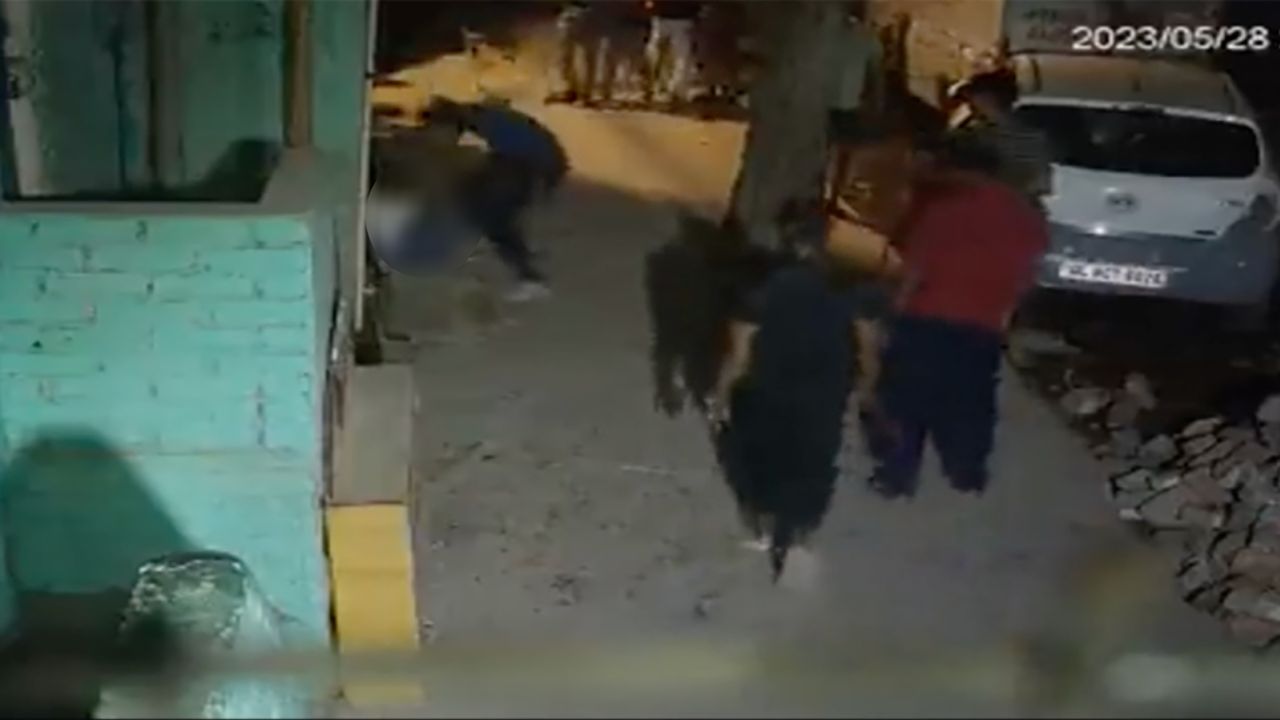
A 14‑year‑old teenager was brutally murdered in a premeditated revenge attack by a gang in outer north Delhi. The boy was abducted, stripped, stabbed multiple times, and his naked body was dumped in the Munak Canal—an incident that has shocked communities across the capital.
Incident Summary
-
The victim, a resident of Jeevan Park in Siraspur, was reported missing on the night of June 29–30.
-
A PCR call around 3:10 p.m. on July 1 led police to the partially decomposed body near the Delhi Jal Board water treatment area.
-
The boy’s body showed multiple stab wounds, a scarf tied around his neck, and signs of sexual assault and torture.
Modus Operandi: Revenge-Driven Violence
-
Police identified the attack as a revenge killing orchestrated by 19‑year‑old Krishna alias Bhola, who believed the victim had acted as an informer for his rivals, known as Monu and Sonu, previously jailed under organised crime charges.
-
Investigators revealed that Krishna and seven others, including four juveniles, planned and executed the murder, intercepting the boy near Veer Chowk Bazaar, forcibly abducting him, stripping him, then systematically stabbing him as punishment.
Arrests and Investigation
-
Delhi Police have arrested six individuals, including Krishna (19), an adult named Ashmit alias Ashwani (18), and four juveniles.
-
Two suspects remain at large—Monu and Mohit—who are believed to have fled to Haridwar. Police have dispatched teams to locate them.
-
The case is registered under sections related to murder and disappearance of evidence, and the post-mortem findings have triggered invocation of Section 6 of the POCSO Act due to sexual assault implications.
Community Impact and Law-and-Order Concerns
-
The murder has sparked tension in local neighborhoods, with residents expressing anxiety over rising juvenile gang activity and escalating youth violence.
-
The extremely graphic and calculated nature of the crime has drawn widespread condemnation and renewed focus on law enforcement responses and juvenile justice measures.
-
Human rights advocates are calling for stricter accountability and urges authorities to fast-track investigation under appropriate legal provisions given the aggravated nature of the offence.
Significance & Broader Implications
-
The case sheds light on the growing influence of juvenile gang networks in Delhi and the disturbing effectiveness of coordinated violent reprisals.
-
Experts warn that unless community policing, civil supervision of juveniles, and intervention mechanisms are strengthened, such tragedies could become more frequent.
-
It also raises urgent questions about prevention of violent crime, mental health support, and social rehabilitation pathways for at-risk youth.
The killing of the 14-year-old in Delhi’s Haiderpur is a chilling example of vengeance taken to the extreme. Beyond the legal pursuit of the accused, it underscores a pressing need for coordinated action—from police, social agencies, families, and schools—to prevent radicalization of youth into violent triggers. The case continues to be investigated, and more arrests are expected as authorities piece together the full extent of the conspiracy behind this horrific revenge attack.
Comments are closed.