
“25% Higher Risk of Underweight Children in India’s Climate-Sensitive Areas: Research”

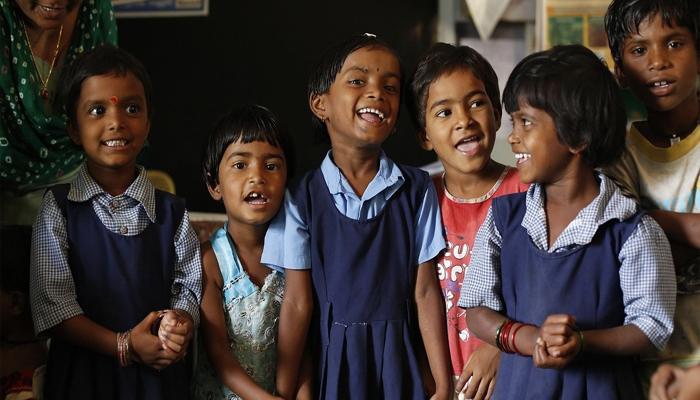
Climate Change in India Linked to Higher Child Malnutrition and Maternal Health Risks
A new study highlights that children in India’s districts most vulnerable to climate change are 25% more likely to be underweight than those in less affected areas. The research also found a 38% higher likelihood of non-institutional deliveries, indicating a broader impact on maternal and child health.
The study, published in PLOS One, analysed data from the National Family Health Survey (NFHS-5) and the Central Research Institute for Dryland Agriculture (CRIDA). Researchers from the Institute of Economic Growth, Delhi, found that districts prone to extreme weather events such as floods, cyclones, and heatwaves consistently lag in key health indicators, including stunting, wasting, and access to healthcare.
Key findings include:
-
25% higher risk of children being underweight.
-
38% higher risk of non-institutional deliveries.
-
6–14% increased likelihood of wasting and stunting.
-
Greater challenges in accessing healthcare services in highly vulnerable districts.
The study warns that climate vulnerability independently affects health outcomes, beyond socio-economic and access-related factors. With 80% of India’s population living in climate-sensitive areas, researchers emphasize the urgent need for climate-adaptive health policies to protect children and mothers and to sustain progress on the Sustainable Development Goals (SDGs).
“Districts highly vulnerable to climate change consistently underperform on health metrics, highlighting the urgent need for interventions that integrate climate resilience with public health,” the authors noted.
Comments are closed.