
Trump Claims US-China Trade Deal Finalised, Ties Rare Earths to Student Visas

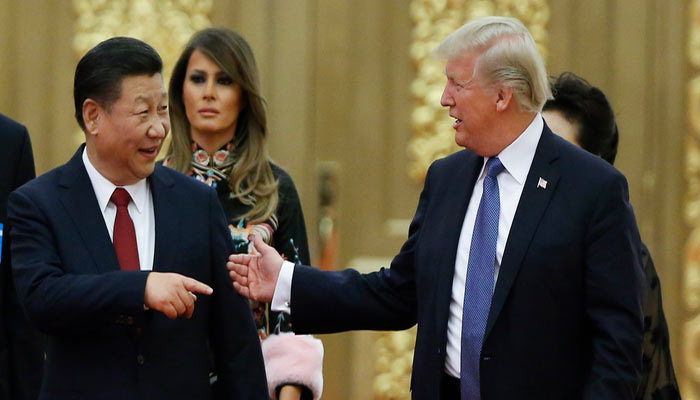
Trump Announces Tentative US-China Trade Deal Including Rare Earth Supplies.
Former US President Donald Trump has announced that a new trade agreement with China has been completed, pending final approval from Chinese President Xi Jinping. The deal reportedly includes full Chinese supply of rare earth materials and magnets to the US—resources vital to modern electronics, electric vehicles, and defense systems.
Posting on Truth Social, Trump wrote:
“OUR DEAL WITH CHINA IS DONE, SUBJECT TO FINAL APPROVAL WITH PRESIDENT XI AND ME. FULL MAGNETS, AND ANY NECESSARY RARE EARTHS, WILL BE SUPPLIED, UP FRONT, BY CHINA.”
In return, Trump claimed the US would allow Chinese students to continue enrolling in American universities, a move he said he supports. He also asserted that the US would maintain a total tariff rate of 55%, while China would levy only 10%. However, no official documents or statements from either government have confirmed the details.
Rare Earths at the Center of Negotiations
Rare earths—a group of 17 minerals essential for high-tech and military applications—were a key sticking point in recent US-China talks held in London. Supply disruptions in recent months, including a temporary production halt at Ford’s Explorer SUV plant, heightened urgency around the issue.
Technology analyst Paul Triolo noted in a recent webinar that rare earth concerns have “overpowered” other trade issues, becoming a top priority for the US during negotiations.
China’s Rare Earth Dominance
Though not truly rare, rare earth minerals are difficult to mine and refine. China leads global production, accounting for over 90% of refined output, according to the International Energy Agency. Other nations, including the US, India, and Australia, have deposits but lack sufficient processing infrastructure.
Beijing’s dominance stems from decades of investment in mining and lenient environmental regulations. As Deng Xiaoping famously stated in 1992:
“The Middle East has oil. China has rare earths.”
Growing Global Scramble
In April, China tightened export rules, requiring domestic firms to obtain licenses for exporting key rare earth elements and magnets. These new restrictions have slowed global supply chains, raising concerns that more automakers could face delays.
While China’s Commerce Ministry has since approved some export applications, it maintains that it is open to further discussions with trade partners. Still, the situation underscores how dependent the US remains on China for strategic materials—even amid heightened tensions.
As the rare earth standoff plays out, the outcome of this tentative trade deal could have lasting implications for global supply chains and US-China relations alike.
Comments are closed.