

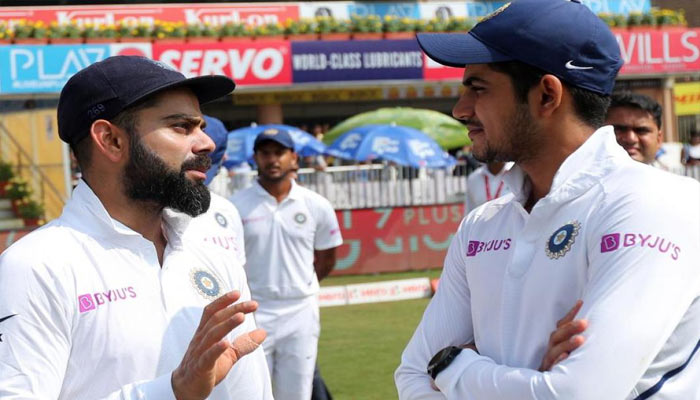
Same Stage, New Story: Shubman Gill’s First Day in Office There were more doubters than believers when Shubman Gill was named India’s 37th Test captain.
The announcement came swiftly—just weeks after Rohit Sharma and Virat Kohli, titans of modern Indian cricket, bid farewell to the format. Many wondered if Gill had earned the stripes for a job this sacred. Even Rohit, in Sydney, had said the next generation must “earn their place” in Test cricket.
But sometimes, leadership doesn’t wait for perfection. With Kohli stepping away and Jasprit Bumrah’s workload under scrutiny, the baton passed to Gill. The timing felt abrupt, but the decision wasn’t reckless—it was a bet on poise, potential, and promise.
The Quiet Revolution Begins in Leeds
By the time Gill walked out for the toss at Headingley, India was in flux. Familiar faces were missing. Familiar narratives, too. Yet, there was no fanfare—just a quiet, composed 24-year-old, standing where giants once stood.
England won the toss and bowled, a tactical move supported by local history. But what followed was less tactical and more tectonic.
Jaiswal and KL Rahul opened with control that belied their years. The early session was less about dominance and more about defiance—against movement, expectations, and the ghosts of transitions past. England’s pace battery tried to provoke; the openers didn’t flinch.
Rahul fell ten minutes before lunch. Debutant Sai Sudharsan followed immediately. From 91/0 to 91/2, nerves peeked through.
Then came calm.
Captain Gill: Measured, Methodical, Magnificent
Gill walked in to a tense dressing room and a nation of skeptics. He walked out by day’s end as something else entirely.
Before this match, Gill averaged just 29.5 overseas, with only two fifties in SENA nations. But captains are often defined by how they respond to noise—and this was Gill’s response: 127 runs of controlled aggression, technical clarity, and inner calm.
England tested his known weakness—seamers shaping it into his pads—but Gill adjusted. He left better. He drove fuller balls with balance. He played the pull not with flourish, but with purpose.
When he reached his century, there was no trademark bow. Just a guttural roar. Raw, real. A reminder that calm doesn’t mean cold. That fire can burn quietly too.
Jaiswal’s Hundred, Pant’s Fury, and the Shape of the Future
Jaiswal, ever the disruptor, made history as the first Indian opener to score a hundred in Leeds. He played with the same carefree class that made him a star, but with the compactness of someone who knows the occasion.
Pant, now vice-captain, brought the exclamation point. He countered spin with audacity and pace with madness—charging down with six balls left in the day to launch one into the stands. His unbeaten 63 was as Pant as it gets: thrilling, gutsy, and oddly calculated.
By stumps, India were 359/3. Jaiswal on 101, Gill on 127, Pant on 63*. England looked drained. Not outplayed—out-thought.
A Day of Endings and Beginnings
Transitions are rarely smooth. But this one felt seamless. There was no Kohli-esque intensity. No Rohit-esque wit. But there was clarity, control, and character.
Gill’s India feels different—not louder or flashier, just… leaner. Focused. Less burdened by legacy, more eager to shape its own.
On this day in Leeds, Indian Test cricket didn’t just survive a generational shift. It thrived through it.
And for the first time in a while, it felt like the format was in the hands of men who still dream of greatness—not for the cameras, but for the craft.
Comments are closed.