
NSA Ajit Doval to Attend SCO Summit in China; Cross-Border Terrorism Tops Agenda

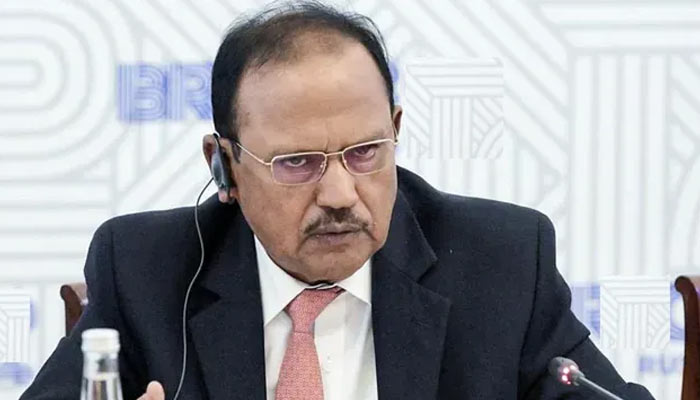
Ajit Doval Heads to China for Crucial SCO Summit: Terrorism, Pakistan, and Strategic Balancing on Agenda.
National Security Adviser Ajit Doval is set to embark on a significant visit to China for the upcoming Shanghai Cooperation Organisation (SCO) summit, with terrorism and regional security high on India’s agenda. The visit comes days after the deadly Pahalgam terror attack, which India is expected to spotlight forcefully in a bid to corner Pakistan diplomatically.
India Plans to Name and Shame Pakistan
According to top government sources, India will leverage the SCO platform to underscore Pakistan’s role in sponsoring terrorism—specifically pushing for explicit mentions of groups like Jaish-e-Mohammad (JeM) in official SCO documents. Doval’s participation is seen as a calculated diplomatic maneuver aimed at exposing Islamabad’s duplicity and testing Beijing’s stance on cross-border terror.
Terrorism at Core, But China May Soften Language
While counterterrorism is slated to be a focal point of the summit, sources caution that China—given its deep strategic ties with Pakistan—is unlikely to allow any strong condemnation. “Beijing may be keen to normalise ties with India, including resuming direct flights and official exchanges, but it remains reluctant to alienate Islamabad,” a senior official said.
India is also expected to push for strengthening the SCO’s Regional Anti-Terrorist Structure (RATS), though observers anticipate mostly symbolic progress rather than concrete institutional shifts.
Pahalgam Attack in Draft, Pushback Expected
New Delhi is determined to have the recent Pahalgam attack—where several Indian security personnel were killed—reflected in the summit’s final declaration. However, both Pakistan and China are expected to resist any direct reference. Indian negotiators are preparing for strong pushback while seeking support from other member states to build consensus.
Iran’s Entry Adds Complexity
The geopolitical calculus is further complicated by Iran’s formal entry into the SCO. Tehran supports India’s condemnation of the Pahalgam attack but continues to maintain strong ties with both China and Pakistan. This dual positioning was underscored recently when Pakistan condemned U.S. airstrikes on Iranian nuclear sites, with PM Shehbaz Sharif convening a high-level national security meet on June 23.
India, meanwhile, is firming up its strategic alternatives to China’s Belt and Road Initiative (BRI)—notably through the Chabahar Port and the International North-South Transport Corridor (INSTC). Sources say New Delhi has flatly rejected Tehran’s offer to mediate on Kashmir, reaffirming its long-standing position that the issue is strictly bilateral.
Rajnath Singh Likely to Join Defence Meet
In a related diplomatic move, Defence Minister Rajnath Singh is expected to attend the SCO Defence Ministers’ Conclave in Qingdao from June 25–27. This would mark the first visit by a senior Indian minister to China since the 2020 Galwan Valley clash. Preparations are underway for a possible bilateral meeting between Singh and Chinese Defence Minister Admiral Dong Jun, which could serve as a tentative step toward easing military tensions along the LAC.
Russia: Quiet But Steady Backer
While unlikely to take a public stand, Moscow is expected to quietly support India’s position on terrorism, given the two countries’ strong ties in defence and energy. Russia’s nuanced alignment with India—especially within multilateral forums like SCO—adds a layer of strategic reassurance for New Delhi.
Comments are closed.