

Anti-Inflammatory Diet: What to Eat to Lower CRP and Fight Chronic Inflammation.
Chronic inflammation is at the root of many serious health conditions—from diabetes and heart disease to obesity and certain cancers. One key indicator of inflammation in the body is a protein called C-reactive protein (CRP). Elevated CRP levels are not just a marker of disease but also a predictor of future risk. Some studies suggest high CRP levels could increase the risk of death by as much as 42%.
The good news? Your diet can help reduce inflammation naturally—no prescriptions needed.
What Is CRP and Why Is It Important?
CRP is produced in the liver in response to inflammation, infection, or injury. High CRP levels are commonly seen in:
Autoimmune disorders like rheumatoid arthritis
Obesity-related inflammation
Type 2 diabetes
Cardiovascular issues
Doctors use CRP as a reliable marker to detect hidden inflammation and track disease progression.
Top Anti-Inflammatory Fruits
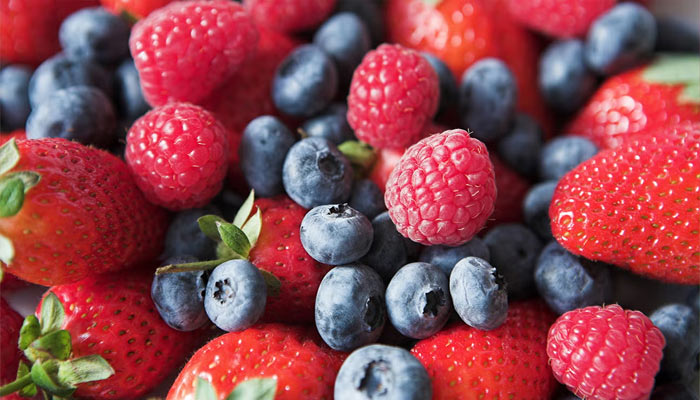
Berries (Blueberries, Strawberries, Raspberries)
Rich in anthocyanins and ellagic acid, berries help neutralize free radicals and reduce inflammation.
Cherries
Packed with antioxidants and polyphenols that can significantly lower CRP levels.
Pomegranates
Loaded with ellagitannins, they’re effective in reducing oxidative stress and CRP.
Pineapple
Contains bromelain, an enzyme that supports protein breakdown and inflammation control.
Citrus Fruits (Especially Oranges)
Regular intake of orange juice has been shown to significantly reduce CRP and improve heart health.
Apples
High in polyphenols and fiber, apples promote gut health—a major factor in reducing systemic inflammation.
Avocados
A rich source of monounsaturated fats, fiber, and antioxidants, avocados help bring CRP levels down when consumed regularly.
Comments are closed.