
No Relief for Saif: Court Allows Ancestral Property to Be Tagged as ‘Enemy Property’

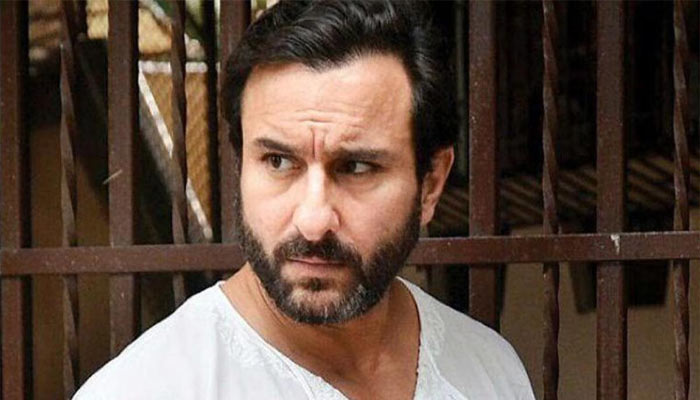
Setback for Saif Ali Khan as HC Rejects Plea in ‘Enemy Property’ Dispute.
In a major blow to actor Saif Ali Khan, the Madhya Pradesh High Court has dismissed his plea challenging the government’s move to classify his family’s ancestral properties—valued at over ₹15,000 crore—as ‘enemy property’. The court overturned a 2000 trial court order that had recognized Saif, his mother Sharmila Tagore, and sisters Soha and Saba Ali Khan as legal heirs. It directed the trial court to re-hear the matter within a year.
The Dispute
The Pataudi family claims ownership of multiple properties in Bhopal and Raisen, including Kohefiza’s Flag House, Ahmedabad Palace, Noor-e-Saba, Dar-us-Salam, and large forested land in Chiklod. These were once part of the personal estate of Nawab Hamidullah Khan, the last ruler of the Bhopal princely state.
After India’s Independence, Hamidullah Khan’s eldest daughter, Abida Sultan, migrated to Pakistan in 1950. His second daughter, Sajida Sultan—Saif’s grandmother—remained in India and was declared his legal successor.
In 1962, the Indian government recognized Sajida Sultan’s claim under Article 366(22) of the Constitution.
Government’s Stand
The central government, however, invoked the Enemy Property Act, 1968, which permits it to seize assets of individuals who migrated to Pakistan. In 2015, it declared the Nawab’s properties as state-owned. This prompted the Pataudi family to challenge the move in court.
The government’s claim stems from Abida Sultan’s migration, arguing the properties fall under the enemy category—even though Sajida Sultan was declared the Nawab’s legal heir.
What the Court Said
The High Court noted that the trial court relied heavily on an Allahabad High Court ruling without considering other aspects, including the Supreme Court’s striking down of the Bhopal Throne Succession Act. It emphasized the need for a comprehensive re-evaluation of the case.
The family’s succession claim will now be re-examined by the trial court, with all parties—Saif Ali Khan, Sharmila Tagore, Soha, and Saba—listed as respondents.
Comments are closed.