
“Time to Update the World Order”: Modi at BRICS Calls for Deep Reform of Global Institutions

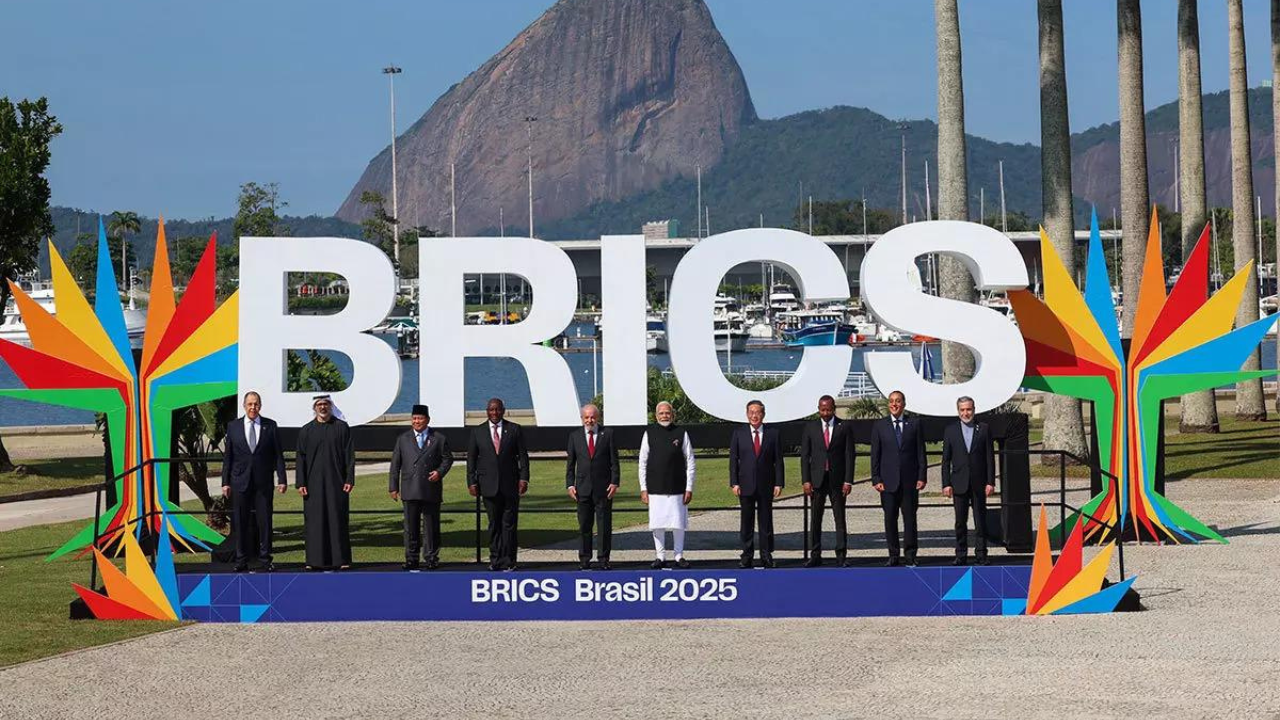
At the 17th BRICS Summit in Rio de Janeiro, Prime Minister Narendra Modi made a compelling call for comprehensive reform of global institutions, emphasizing that the current multilateral systems are outdated and ill-equipped to handle the realities of the 21st century. Speaking at the “Peace, Security and Global Governance” session, Modi highlighted the systemic inequities faced by the Global South and urged the international community to reflect the evolving global power dynamics.
A Global South Perspective: Overcoming Systemic Inequity
Prime Minister Modi asserted that institutions like the United Nations Security Council, World Trade Organization (WTO), and Multilateral Development Banks have failed to adequately represent or respond to the needs of the Global South. He criticized the outdated structure of these bodies, stating that “you can’t operate modern global governance with tools designed in a bygone era.”
Modi further noted that two-thirds of the world’s population, particularly in developing countries, remain underrepresented and unheard within these institutions.
What Needs Reform
In his address, Modi identified several key areas in need of urgent reform:
-
UN Security Council: Modi reiterated India’s long-standing call for the expansion of the Security Council to include more developing countries as permanent members, ensuring it reflects the realities of today’s global order.
-
WTO and Multilateral Banks: He emphasized the need for fairer decision-making processes and resource distribution in institutions governing global trade and finance, especially as developing economies continue to grow in influence and capacity.
Modi emphasized that BRICS does not seek to dismantle these systems but to reform and revitalize them to make them more equitable and responsive.
BRICS as a Model for Inclusive Change
With the recent expansion of BRICS to include nations such as Indonesia, UAE, Iran, and Egypt, Modi portrayed the bloc as a successful example of inclusive global cooperation. He noted that the expanding influence and membership of BRICS highlight its potential to be a leader in advocating for a more balanced international system.
“BRICS has shown the world that change is possible. Now, we must extend this spirit to global institutions that are long overdue for transformation.”
Double Standards and Accountability
The Prime Minister strongly criticized the double standards applied to the Global South in areas such as climate finance, technology access, and sustainable development goals. He pointed out the disparity between global commitments and actual delivery, emphasizing that trust in international institutions will only be restored through genuine inclusivity and accountability.
Real Reform, Not Cosmetic Change
Modi’s message to the world was clear and unequivocal: the current architecture of global governance is outdated, and superficial adjustments will not suffice. The reforms he calls for are not merely about representation but about justice, efficiency, and global balance.
India’s push at the BRICS summit reinforces its broader vision of a multipolar world — one where power, voice, and opportunity are not concentrated but distributed, and where every nation, regardless of size or wealth, has a seat at the global table.
Comments are closed.