
India Surpasses 50% Green Energy Mark, Beats Paris Agreement Target by 5 Years

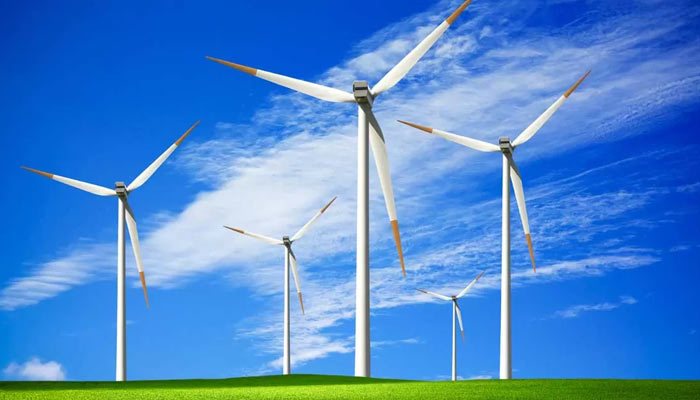
India Reaches 50% Non-Fossil Fuel Power Capacity, 5 Years Ahead of Paris Agreement Target.
India has achieved a significant clean energy milestone by reaching 50% of its installed electricity capacity from non-fossil fuel sources, five years ahead of the 2030 deadline set under the Paris Climate Agreement. According to official figures, India’s total power generation capacity stands at 484.8 GW, of which more than 234 GW is now derived from non-fossil fuel sources, including solar, wind, large hydro, and nuclear energy.
Leadership Lauded
Union Minister for Renewable Energy Pralhad Joshi celebrated the achievement on X (formerly Twitter), stating:
“In a world seeking climate solutions, India is showing the way. Achieving 50% non-fossil fuel capacity five years ahead of the 2030 target is a proud moment for every Indian. Hon’ble PM Shri @narendramodi ji’s leadership continues to drive Bharat’s green transformation—paving the path towards a self-reliant and sustainable future. #50PercentRenewables”
Prime Minister Narendra Modi reposted the message, adding:
“This illustrates India’s commitment and efforts towards building a green and sustainable future.”
Rapid Growth in Renewables
India has seen a significant surge in renewable energy deployment. In 2024 alone, the country added nearly 28 GW of solar and wind capacity, followed by 16.3 GW more between January and May 2025, making the first half of 2025 the fastest period of clean energy growth since 2022.
As of June 2025, renewable capacity excluding large hydro stands at 184.6 GW.
Although India missed its previous 2022 target of achieving 175 GW renewable capacity, it has since accelerated progress. The country is now working toward a more ambitious goal of 500 GW of non-fossil fuel capacity by 2030.
Challenges Remain
Despite this progress, challenges persist. In 2024, fossil fuels still accounted for more than two-thirds of the increase in electricity demand. To meet future consumption, India plans to expand its coal-fired power capacity by 80 GW by 2032.
A recent report from global think tank IEEFA highlighted that evening peak demand is still largely met by coal-based power. The report recommended investing in energy storage, demand-side management, and grid flexibility to reduce carbon emissions and protect consumers from price volatility.
A Broader Green Strategy
India’s clean energy ambitions now span beyond traditional solar and wind. The government is increasingly focusing on nuclear energy, large hydropower, green hydrogen, grid-scale battery storage, and emerging clean technologies to achieve both energy security and sustainability.
Comments are closed.