

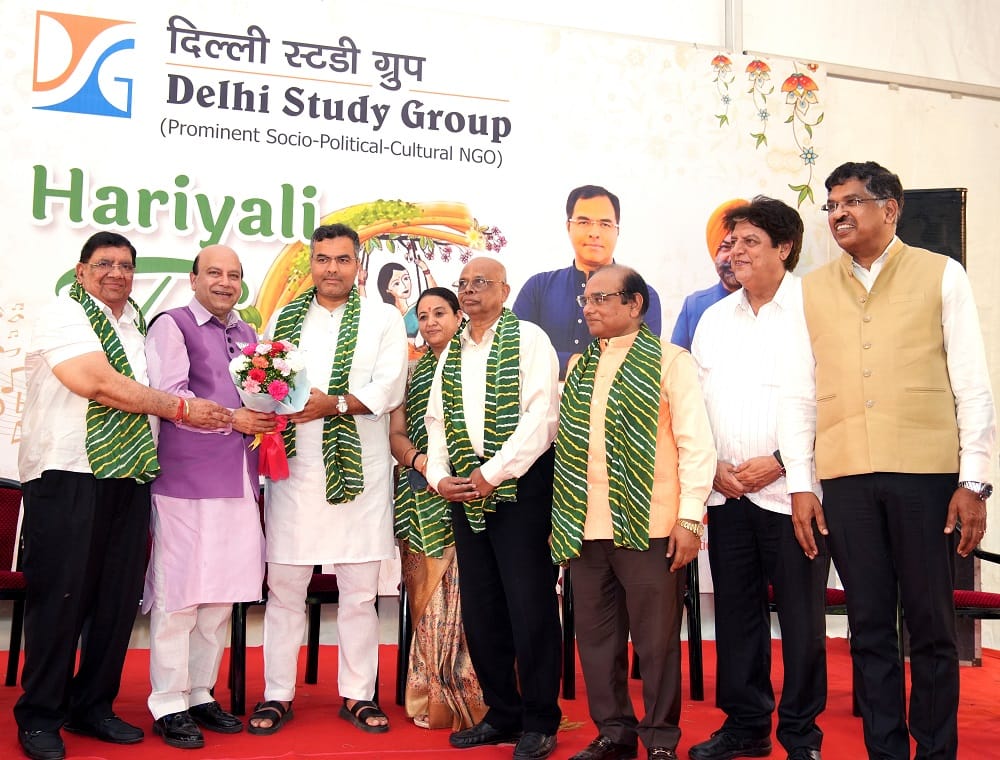
Delhi Study Group, a prominent socio-political-cultural NGO, hosted its 16th Hariyali Teej celebration at the PSOI Club in Chanakyapuri, New Delhi, transforming the capital into a vibrant hub of cultural festivity. This annual event, held ahead of the official Hariyali Teej date of July 27, 2025, brought together political leaders, diplomats, and community members to honor India’s rich traditions and foster global friendships. Rooted in Hindu mythology, Hariyali Teej celebrates the divine union of Lord Shiva and Goddess Parvati, symbolizing love, devotion, and the lush greenery of the monsoon season. The event, marked by traditional music, folk dances, and environmental advocacy, underscored the festival’s role in promoting cultural diplomacy and community bonding. This article explores the significance of the Delhi Study Group’s Hariyali Teej, its cultural and diplomatic impact, and its contribution to global friendship, inspired by sentiments like those of Martyn Day, who emphasized the diaspora’s role in global connectivity.
The Cultural Significance of Hariyali Teej
Hariyali Teej, also known as Shravani Teej or Choti Teej, is celebrated on the third day of Shukla Paksha in the Hindu month of Shravan (July–August), coinciding with the monsoon season. According to Hindu mythology, it commemorates the day Lord Shiva accepted Goddess Parvati as his wife after her 108 reincarnations and rigorous penance, symbolizing unwavering devotion and love. The festival, widely observed in northern and western India (e.g., Rajasthan, Uttar Pradesh, Bihar, Haryana), holds deep spiritual and cultural significance:
-
Marital Bliss: Married women fast, often observing a nirjala vrat (without food or water), to pray for their husbands’ longevity and marital harmony. Unmarried women fast to seek a virtuous spouse, inspired by Parvati’s dedication.
-
Monsoon Celebration: The term “Hariyali” (greenery) reflects the festival’s connection to the monsoon, with women donning green attire, mehndi, and bangles to symbolize nature’s renewal.
-
Community Bonding: The festival fosters togetherness through folk songs, Giddha and other traditional dances, and decorated swings (jhoolas), creating a joyous atmosphere.
Traditional sweets like ghewar, kheer, malpua, and halwa are savored, while rituals include offering vilva patra to Shiva and shringar items (e.g., kajal, mehndi) to Parvati during puja ceremonies.
Delhi Study Group’s 2025 Hariyali Teej Celebration
The Delhi Study Group’s 16th Hariyali Teej event, held on July 19, 2025, was a vibrant showcase of Indian culture and global connectivity:
-
Venue and Ambiance: Hosted at the PSOI Club in Chanakyapuri, the event featured colorful decorations with flowers and paper crafts, reflecting the monsoon’s vibrancy. Women in green sarees, adorned with mehndi and bangles, embodied the festive spirit.
-
Cultural Performances: The celebration included spirited folk dances, traditional music, and devotional performances honoring Shiva and Parvati. These showcased India’s rich heritage, drawing enthusiastic participation from attendees.
-
Notable Attendees: Delhi government ministers Parvesh Sahib Singh and Manjinder Singh Sirsa inaugurated the event, joined by former Union Minister Vijay Goel and NDMC Vice Chairman Kuljeet Singh Chahal. The presence of Nepal’s Ambassador to India, Shankar Prasad Sharma, highlighted the festival’s cross-border cultural resonance.
-
Environmental Advocacy: Ministers urged attendees to plant trees in their mothers’ names, aligning with Delhi’s environmental campaigns and reinforcing Hariyali Teej’s connection to nature.
-
Festive Cuisine: A spread of traditional snacks and sweets, including ghewar, kheer, and malpua, added to the celebratory mood, fostering community bonding.
Organized under the leadership of Vijay Jolly, former MLA and Delhi Study Group president, the event was lauded for its role in preserving cultural traditions and promoting social harmony.
Fostering Global Friendship
The 2025 Hariyali Teej celebration transcended cultural boundaries, embodying global friendship, as echoed by Martyn Day’s appreciation for diaspora-driven connectivity:
-
India-Nepal Cultural Bridge: Nepal’s Ambassador Shankar Prasad Sharma emphasized Hariyali Teej as a shared cultural link, noting the belief that Shiva and Parvati reside in the Himalayas, connecting India and Nepal. He highlighted the festival’s role in fostering devotion and cultural unity, with both nations celebrating Teej with similar zeal.
-
Diplomatic Engagement: The presence of diplomats and political leaders underscored Teej’s growing role in cultural diplomacy. The event provided a platform for cross-cultural dialogue, strengthening India’s ties with neighboring countries and the global community.
-
Diaspora Potential: Inspired by Martyn Day’s focus on diasporas, the Indian Scottish diaspora could amplify such events by promoting India’s cultural heritage abroad, aligning with the Viksit Bharat 2047 vision of a developed, globally influential India. Their networks in Scotland could showcase festivals like Hariyali Teej, fostering mutual understanding and collaboration.
Societal and Cultural Impacts
The Delhi Study Group’s Hariyali Teej celebration had significant impacts:
-
Cultural Preservation: By showcasing traditional dances, music, and rituals, the event reinforced India’s centuries-old heritage, as noted by Uttar Pradesh Deputy CM Brajesh Pathak, who described Teej as “deeply rooted in India’s culture and faith.”
-
Women’s Empowerment: The festival celebrated “nari shakti” (women’s strength), with women leading rituals and performances, highlighting their role in cultural and social spheres.
-
Community Cohesion: The event brought together diverse groups—politicians, diplomats, and citizens—fostering social harmony and collective pride in Indian traditions.
-
Environmental Awareness: The call to plant trees linked cultural celebration with environmental stewardship, aligning with modern sustainability goals.
-
Global Outreach: The participation of Nepal’s ambassador and references to shared Himalayan heritage underscored Teej’s potential to strengthen regional ties, contributing to India’s soft power.
Challenges
-
Urbanization and Modernization: Urban settings like Delhi face challenges in maintaining traditional fervor, as younger generations may prioritize digital or commercialized celebrations.
-
Inclusivity: While the event was diverse, ensuring broader participation from marginalized communities could enhance its impact.
-
Environmental Balance: Large-scale events risk environmental strain; organizers must ensure eco-friendly practices, such as minimizing plastic use in decorations.
-
Sustaining Diplomatic Momentum: Translating cultural events into lasting diplomatic gains requires consistent follow-up, such as joint India-Nepal cultural initiatives.
Path Forward
To amplify the Delhi Study Group’s Hariyali Teej as a beacon of culture and global friendship:
-
Expand Cultural Outreach: Partner with international cultural organizations to showcase Teej globally, leveraging diasporas like the Indian Scottish community to promote Viksit Bharat 2047’s vision of cultural leadership.
-
Enhance Digital Engagement: Use social media platforms to livestream events and share Teej’s significance, reaching younger and global audiences.
-
Promote Eco-Friendly Celebrations: Incorporate sustainable practices, such as biodegradable decorations and tree-planting drives, to align with the festival’s monsoon theme.
-
Strengthen Regional Ties: Collaborate with Nepal and other South Asian nations to host joint Teej events, reinforcing cultural diplomacy.
-
Engage Youth: Introduce competitions like mehndi or rakhi-making, as seen at Rai University’s 2024 Teej event, to involve younger generations in cultural preservation.
The Delhi Study Group’s 16th Hariyali Teej celebration on July 19, 2025, was a vibrant testament to India’s cultural richness and its potential to foster global friendship. By blending traditional rituals, music, and dances with environmental advocacy and diplomatic engagement, the event honored the divine union of Shiva and Parvati while strengthening ties with communities and nations like Nepal. Inspired by Martyn Day’s vision of diaspora contributions, the Indian Scottish diaspora could amplify such initiatives, aligning with India’s Viksit Bharat 2047 goal of global cultural influence. As a platform for cultural preservation, women’s empowerment, and international unity, the Delhi Study Group’s Hariyali Teej exemplifies how festivals can bridge heritage and modernity, fostering a shared sense of humanity.
Comments are closed.