
Markets Rattled as Trump Doubles Tariffs on India; Sensex Falls 500 Points

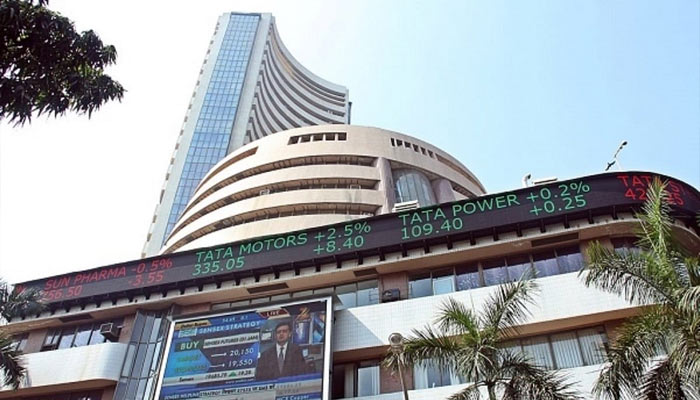
Sensex Slides Over 400 Points After Trump’s Tariff Strike: Should Investors Be Worried?
Indian equity markets opened on a jittery note Thursday after US President Donald Trump announced an additional 25% tariff on certain Indian exports, citing New Delhi’s continued imports of Russian oil. While the move was anticipated, it adds a fresh layer of uncertainty for investors already grappling with global economic headwinds.
At 10:34 am, the BSE Sensex had declined by 432.70 points to 80,111.29, while the NSE Nifty50 dropped 141.50 points to 24,432.70, signaling broad-based risk aversion.
Uncertainty Clouds Outlook
Dr. V K Vijayakumar, Chief Investment Strategist at Geojit Financial Services, pointed to the 21-day window before the tariffs come into effect as a potential opportunity for negotiation—but warned that the larger picture remains murky.
“There’s significant uncertainty around trade policy and how far both sides are willing to compromise,” he said. “President Trump, fresh off multiple trade wins—including with the EU—is unlikely to soften his stand. The US is negotiating from a position of strength.”
He commended India’s “mature and measured” response so far but warned that the near-term market mood may remain fragile. “Export-oriented sectors will remain vulnerable, but domestic demand-driven themes such as banking, financials, telecom, hotels, cement, capital goods, and parts of the auto sector should stay resilient.”
No Surprise for Markets
Santosh Meena, Head of Research at Swastika Investmart, said the tariff escalation had largely been priced in. “Markets were anticipating this move, given Trump’s recent rhetoric. There’s no major surprise,” he noted.
He added that India’s firm stance in safeguarding sensitive sectors—especially agriculture and dairy—has been consistent. The tariff move, he said, fits into Trump’s known pattern of aggressive bargaining.
“The upcoming US trade delegation’s visit on August 24 will be crucial,” Meena said. He also stressed that India’s economic foundation rests firmly on domestic demand. “Except for IT, pharma, and electronics, our exposure to the US is relatively limited—and these sectors are not on the fresh tariff list.”
Textiles, gems and jewellery, and leather may face pressure in the near term, he warned.
Rahul Ahluwalia, Founder-Director of the Foundation for Economic Development, echoed that view. “Labour-intensive sectors without tariff exemptions—like apparel, gems and jewellery—will take the biggest hit. These account for over $30 billion in exports to the US.”
What Should Investors Do?
For long-term investors, Meena recommends staying the course. “This is one of many trade disruptions and shouldn’t distract from India’s structural growth story,” he said, adding that any market correction could create entry points ahead of a likely earnings rebound in the coming quarters.
Short-term traders, however, may need to adopt a more cautious stance. “Muted Q1 results, elevated valuations, and global trade tensions mean short-term volatility is here to stay. A selective, sector-focused strategy is prudent,” he advised.
Comments are closed.