

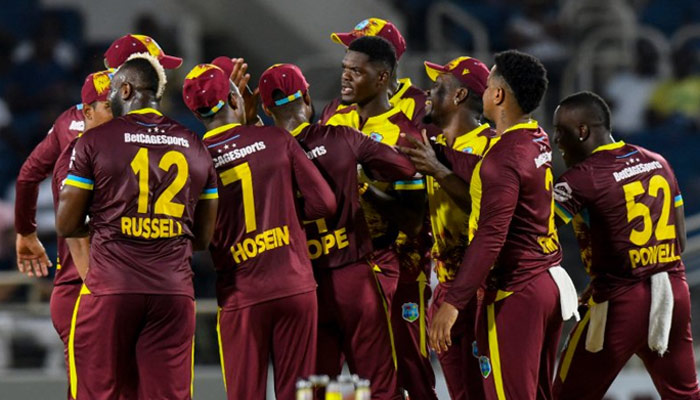
West Indies Cricket in Crisis: From Global Dominance to Financial Freefall.
The West Indies cricket team, once the undisputed powerhouse of the sport through the 1980s and early 2000s, has been reduced to a pale shadow of its former self. Legends like Viv Richards, Clive Lloyd, Michael Holding, and Brian Lara once defined an era of dominance; today, the side faces not just on-field humiliation but a crippling financial crisis.
In 2020, an audit revealed a “massive hole” in Cricket West Indies’ (CWI) finances, pointing to years of mismanagement that eroded trust and crippled operations. The findings triggered calls for radical transparency, governance reform, and strict financial discipline — measures now seen as essential for survival.
The decline has been stark. In one of its lowest moments, West Indies were bowled out for just 27 against Australia, narrowly avoiding the lowest Test total in history. Clive Lloyd called for a complete overhaul, from grassroots pathways to domestic competitions and pitch preparation, warning that without reform, the rot will only deepen.
Five Core Drivers of Decline
Board Mismanagement
CWI’s history is riddled with inefficiency, short-term thinking, and poor financial decisions. Contract disputes, delayed payments, and lack of strategic planning have eroded player trust and alienated fans. Revenue-sharing disagreements have left players underpaid and resentful, weakening the board’s credibility.
Player–Board Tensions
Relations between the board and players have often resembled a cold war. The infamous 2014 mid-tour pullout in India, led by Dwayne Bravo over unpaid fees, exposed the scale of dysfunction and damaged West Indies’ reputation globally.
The T20 Exodus
The lure of high-paying T20 leagues, led by the IPL, has drawn top talent away from the maroon cap. Chris Gayle, Andre Russell, Kieron Pollard, and Sunil Narine prioritised franchise cricket over national duty, trading consistency and pride for financial security. Nicholas Pooran’s decision to leave international cricket at 29 epitomises the trend.
Grassroots and Domestic Decline
Once a breeding ground for icons, the Caribbean cricket pipeline is now underfunded and poorly managed. Infrastructure is deteriorating, coaching pathways are underdeveloped, and junior cricket struggles to produce players of the calibre of Richards or Lara.
Eroding Test Culture
Young players increasingly see Test cricket as an outdated format compared to the fast money of T20s. Key players like Shimron Hetmyer have skipped tours, and the five-day game’s appeal is fading — threatening the very soul of West Indies cricket.
The Financial Gap
CWI’s central contracts pay only a fraction of what other top nations offer and fall far short of franchise salaries. Without competitive pay, retaining talent is nearly impossible. In the ICC’s 2024–2027 funding cycle, CWI is set to receive between $1 million and $100 million, with $20 million allocated in 2024–25. In 2022, $24 million of CWI’s $34 million revenue came directly from ICC distributions — a lifeline that, without reform, will not reverse the decline.
A Path to Revival
West Indies cricket’s fall is the product of decades of neglect, poor governance, and failure to adapt. But recovery is still possible. Transparent leadership, fair player compensation, investment in grassroots programs, and modernised domestic competitions can rebuild the team’s foundation.
The Caribbean still holds immense raw talent, capable of restoring the pride and power of the maroon jersey. The question is whether CWI can act decisively before the legacy fades entirely into history.
Comments are closed.