

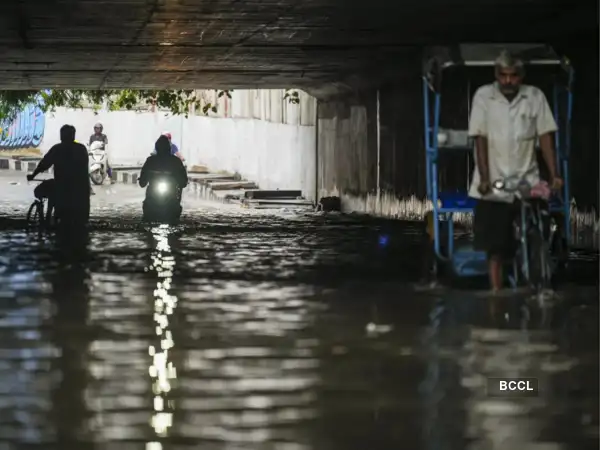
A recent anecdote from a Delhi-based recruiter has sparked a conversation about evolving workplace expectations and the growing empathy of employers. The recruiter, who has extensive experience in talent acquisition, was met with an unusual and unexpected request from a job candidate: a ‘rain allowance.’ While initially surprised by the demand, the recruiter ultimately found the request not only valid but also “reasonable,” a sentiment that reflects a potential shift in the dynamic between employers and a new generation of the workforce.
The Unexpected Demand and Its Context
The request for a ‘rain allowance’ came from a candidate applying for a position that likely involved a significant amount of outdoor work or travel, such as logistics, sales, or field service. While the concept is common in some parts of the world for adverse weather conditions, it is not a standard practice in India’s formal employment sector. The demand highlights the very real challenges faced by workers in a city like Delhi, particularly during the monsoon season. Heavy rains in the capital can lead to severe waterlogging, traffic gridlock, and significant logistical hurdles, making commutes arduous and outdoor work physically taxing and sometimes even risky. The ‘rain allowance’ was essentially a request for fair compensation to mitigate these unpredictable and difficult working conditions.
Why It’s ‘Reasonable’: A Shift in Perspective
The recruiter’s acknowledgment of the request as “reasonable” is a significant departure from traditional corporate thinking. This perspective is rooted in a deeper understanding of employee welfare and the practical realities of the job. By deeming the request reasonable, the recruiter demonstrated:
- Empathy and Pragmatism: A recognition of the genuine hardship and inconvenience caused by working in the rain. It’s an acknowledgment that the cost and effort of navigating a waterlogged city—from increased travel time to potential damage to personal belongings—deserve to be compensated.
- Talent Attraction and Retention: In a highly competitive job market, offering such allowances can be a powerful differentiator. It signals to potential employees that the company values their well-being and is willing to invest in their comfort and safety, which can be a key factor in attracting and retaining top talent.
- Modern Workplace Ethics: The decision reflects a broader trend of moving away from a purely transactional relationship with employees toward a more supportive and holistic one. It suggests that companies are beginning to see their workers as partners, sharing the burdens and risks of business, rather than simply paying for a service.
Broader Implications for the Indian Workforce
This single incident is indicative of a much larger trend. It underscores the growing voice of workers, particularly in the burgeoning gig economy, who are seeking better terms and conditions. As the informal and gig sectors continue to grow, employees are becoming more vocal about issues like fair pay for difficult work, social security, and protection from occupational hazards. The ‘rain allowance’ is a symbolic manifestation of this shift. It is a demand for a workplace that is not just productive but also humane and equitable.
This could set a precedent, encouraging other employers to think creatively about how they compensate and support their employees, especially those in roles susceptible to environmental or logistical challenges. The discussion around this simple allowance could pave the way for more nuanced policies that better reflect the realities of working in India’s diverse and challenging urban environment.
Comments are closed.