

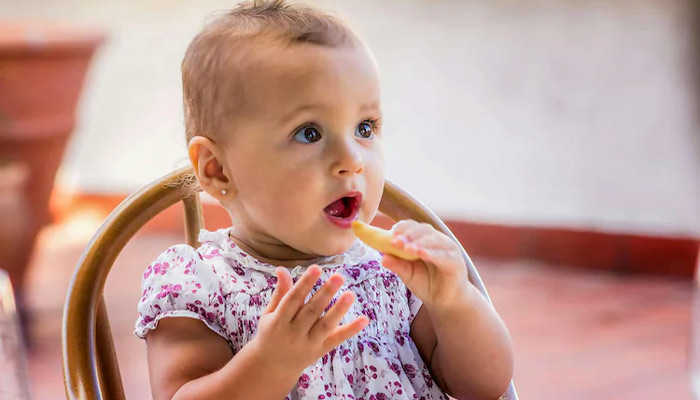
Salt and Sugar for Babies? Why Doctors Say No—Even if Grandma Says Yes
For Nishtha Sharma* and her mother-in-law, mealtime has become a gentle tug-of-war. Ever since Nishtha’s six-month-old daughter started solids, the grandmother has urged adding a pinch of salt or a spoon of sugar—“otherwise the baby will miss the taste.” Nishtha’s response is simple: If she’s never tasted it, how can she miss it?
This is a scene many new parents know too well—caught between modern medical advice and long-standing family traditions. Here’s what the experts say, and why those first 1,000 days matter so much.
Why Doctors Advise Against It
“Think of the first two years like laying a house’s foundation,” says Dr Nanditha Rathinam, paediatrician at Manipal Hospital, Bengaluru. “What your baby eats now shapes their growth, health, and even future food preferences.”
Sugar: Early exposure builds a strong preference for sweetness, making it harder for babies to accept less-sweet, healthy foods later, explains Dr Parimala V Thirumalesh, senior consultant, neonatology and paediatrics, Aster CMI Hospital. It can also cause early tooth decay, spikes in blood sugar, irritability, sleep problems, and increase the risk of obesity and type 2 diabetes later in life.
Salt: Babies’ kidneys can’t handle excess sodium, says Dr Vittal Kumar Kesireddy, CARE Hospitals, Hyderabad. Too much can weaken bones, upset fluid balance, and mask natural flavours—limiting a baby’s interest in diverse foods. Breast milk or formula already contains the sodium they need.
Why Grandparents Often Resist
“Back then, we didn’t know as much,” says Dr Rathinam. Diets were simpler, less processed, and adding a bit of salt or sugar seemed harmless. Now, hidden sodium and sugar in processed foods mean babies are at higher risk.
There’s also emotion involved, adds psychiatrist Dr Sarthak Dave: “For some elders, it feels like a loss of influence in raising the child. Restricting certain foods may even seem like denying joy.”
Finding Middle Ground
Doctors suggest no added salt or sugar for at least the first year—ideally two. Instead:
- Use natural sweetness from fruits like banana or mango
- Let vegetables, pulses, and grains shine with their natural taste
- After age one (or two, if you can manage), introduce very small amounts
- Enhance flavour with mild herbs and spices instead of processed seasoning
Above all, remember—both parents and grandparents want the same thing: a healthy, happy child. Blending tradition with modern science isn’t always easy, but starting babies off with the right food habits is a gift that lasts a lifetime.
Comments are closed.