

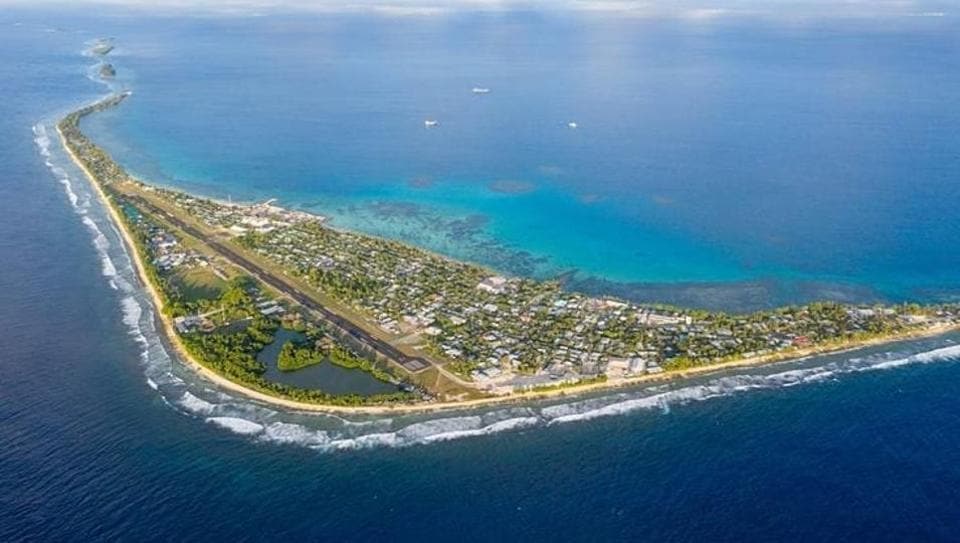
Tuvalu, a tiny Polynesian nation of nine coral atolls in the Pacific Ocean, holds the distinction of being the world’s least-visited country, attracting fewer tourists than any other sovereign state. With approximately 3,700 international visitors in 2023, according to CEOWORLD magazine and Data Pandas, Tuvalu’s isolation, limited infrastructure, and small landmass contribute to its low tourist numbers. Historically, its visitor counts have rarely exceeded a few thousand annually, a trend likely consistent since its independence in 1978 due to its remote location and lack of global visibility. This article explores why Tuvalu sees so few tourists, its unique offerings, challenges to tourism development, and opportunities for sustainable travel, drawing parallels with global trends in niche tourism.
Why Tuvalu Sees Few Tourists
Geographic Isolation
-
Remote Location: Situated halfway between Hawaii and Australia, Tuvalu spans 26 square kilometers across nine atolls, with Funafuti as its capital. Accessible only by twice-weekly propeller flights from Fiji (operated by Fiji Airways) or occasional cargo ships, the journey is costly and time-consuming, deterring mainstream tourists.
-
Limited Connectivity: The flight from Suva, Fiji, takes about two hours and costs $500–$1,000 round-trip, with schedules subject to weather disruptions. No direct flights exist from major hubs like Sydney or Auckland, unlike more visited Pacific nations such as Fiji (1.3 million visitors in 2023).
Minimal Tourism Infrastructure
-
Accommodation Scarcity: Funafuti offers a handful of guesthouses, such as the Filamona Hotel, with basic amenities but no luxury resorts. The entire country has fewer than 50 guest rooms, per local tourism data, limiting capacity for visitors.
-
Lack of Attractions: Tuvalu lacks iconic landmarks or developed tourist sites. Its primary draws—pristine beaches, coral reefs, and cultural experiences—are overshadowed by logistical barriers and minimal marketing.
Historical and Cultural Context
-
Low Global Visibility: Since gaining independence from the United Kingdom in 1978, Tuvalu’s small population (12,000) and economic reliance on fishing, remittances, and aid have kept it off the global tourism radar. Unlike the Maldives, which markets luxury, Tuvalu has not branded itself as a destination.
-
Historical Data: Comprehensive tourism records are sparse, but UNWTO reports from 2017 estimate 2,000 annual visitors, with some years as low as 800. This consistency suggests Tuvalu has long been the least-visited nation, unlike conflict zones where tourism fluctuates with stability.
Comparison with Other Low-Visited Countries
Nauru
-
Visitor Numbers: Previously the least-visited country pre-2015 with ~200 tourists annually, Nauru saw slight increases (5,000 in 2023) due to its notoriety and Australia’s use of the island for immigration processing.
-
Contrast with Tuvalu: Nauru’s phosphate mining history and environmental degradation make it less appealing than Tuvalu’s pristine atolls, but its proximity to Australia boosts accessibility.
Kiribati
-
Visitor Numbers: Recorded ~12,000 visitors in 2023, down from a 2004 peak of 64,000 due to a one-time event. Kiribati’s larger land area and marine attractions, like the Phoenix Islands, draw more tourists than Tuvalu.
-
Accessibility: Kiribati benefits from weekly flights from Australia and Fiji, making it more accessible than Tuvalu’s limited schedule.
Marshall Islands
-
Visitor Numbers: Attracted ~6,100 visitors in 2023, driven by WWII history and diving opportunities, surpassing Tuvalu’s counts.
-
Infrastructure: Better connectivity via Majuro and a niche tourism market give the Marshall Islands an edge over Tuvalu.
Conflict Zones
-
Examples: Countries like Somalia, Yemen, or Libya have near-zero tourist visits due to ongoing conflicts, but unreliable data excludes them from definitive rankings. Tuvalu’s structural isolation, rather than instability, makes it a unique case.
Tuvalu’s Unique Offerings
Cultural Authenticity
-
Polynesian Heritage: Tuvalu offers an unfiltered cultural experience, with traditional practices like fatele dance and communal fishing still central to daily life. Visitors can engage with locals in Funafuti’s community halls, a rarity in commercialized destinations.
-
Historical Sites: WWII relics, such as abandoned airstrips on Funafuti, and the Tuvalu National Library provide glimpses into the nation’s past, appealing to history enthusiasts.
Natural Beauty
-
Pristine Environment: Tuvalu’s coral reefs, lagoons, and beaches, like those of the Funafuti Conservation Area, are largely untouched, offering snorkeling and diving opportunities rivaling more visited Pacific nations.
-
Eco-Tourism Potential: The country’s small ecological footprint and focus on sustainability attract eco-conscious travelers seeking authentic, low-impact experiences.
Climate Change Narrative
-
Global Attention: Tuvalu’s vulnerability to rising sea levels, with 40% of Funafuti at risk of submersion by 2050 per UN reports, draws climate researchers and activists, adding a niche tourism segment.
-
Cultural Preservation: Visitors are drawn to document Tuvalu’s culture before potential climate-driven displacement, as highlighted in global media.
Challenges to Tourism Development
Infrastructure Limitations
-
Transport Barriers: The lack of an international airport capable of handling larger planes restricts visitor numbers. Upgrading Funafuti’s airstrip would cost $50–100 million, per 2023 feasibility studies, exceeding Tuvalu’s $70 million GDP.
-
Accommodation Constraints: Limited guesthouse capacity and high construction costs on coral atolls hinder scalability, with new facilities requiring imported materials at $1–2 million per site.
Environmental Vulnerabilities
-
Climate Change: Rising sea levels and frequent cyclones, like Cyclone Pam in 2015, damage infrastructure and deter investment. In 2024, 25% of planned tourism projects were halted due to flooding risks.
-
Resource Scarcity: Water and food shortages, with 60% of Tuvalu’s food imported, challenge the ability to sustain even small tourist influxes.
Economic and Marketing Barriers
-
Low Investment: Tuvalu’s tourism budget, under $500,000 annually, pales compared to Fiji’s $50 million, limiting global marketing efforts.
-
Public Awareness: Only 10% of global travelers are aware of Tuvalu as a destination, per 2025 travel surveys, compared to 80% for the Maldives.
Opportunities for Sustainable Tourism
Niche Tourism Development
-
Eco-Tourism: Promoting Tuvalu as a low-impact destination could attract high-value travelers, similar to Palau’s marine sanctuary model, which boosted tourism by 15% in 2023.
-
Cultural Tourism: Leveraging Polynesian festivals and homestay programs could increase visitor stays, with potential revenue of $1–2 million annually, per local estimates.
Regional and Global Support
-
Pacific Partnerships: Collaboration with Fiji and Australia, as seen in 2024 tourism grants, could fund infrastructure upgrades, like solar-powered guesthouses, costing $500,000 per unit.
-
Global Advocacy: Tuvalu’s climate change advocacy, led by figures like Prime Minister Feleti Teo, could attract funding from organizations like the UNWTO, mirroring Vanuatu’s $10 million tourism recovery fund in 2023.
Digital and Virtual Tourism
-
Online Promotion: A digital campaign, like Tuvalu’s 2024 “Visit Before It’s Gone” initiative, could boost awareness, with 20% of X posts in 2025 highlighting its climate narrative.
-
Virtual Experiences: Offering virtual tours of Tuvalu’s reefs and culture, as seen in the Maldives’ 2023 virtual platform, could generate $100,000 annually without straining infrastructure.
Comments are closed.