
Pubic Hair Removal: Expert Advice on Timing and Techniques from Dermatologists

Removing pubic hair is a personal choice, and doing it safely and effectively requires understanding both the timing and method.
Dermatologists emphasize that proper technique can help prevent irritation, ingrown hairs, and infections. Here’s what experts recommend:
Best Time for Removal
After a Shower or Bath: Warm water softens hair and opens pores, making hair removal easier and less painful.
Evening Hours: Skin may be less sensitive, and your body has time to recover overnight. Avoid removing hair right before activities that may cause sweating, like workouts, to reduce irritation risk.
Recommended Methods
Shaving:
- Use a clean, sharp razor and shaving cream or gel to minimize friction.
- Shave in the direction of hair growth to reduce the risk of ingrown hairs.
- Replace razors regularly to avoid bacteria and infections.
Waxing:
- Provides longer-lasting results compared to shaving.
- It’s best done by a professional to reduce the risk of burns, cuts, or infections.
- Skin may be sensitive afterward, so avoid tight clothing for a few hours.
Hair Removal Creams (Depilatories):
- Chemical creams dissolve hair at the skin’s surface.
- Do a patch test first to ensure you’re not allergic.
- Follow instructions carefully and avoid leaving the cream on for longer than recommended.
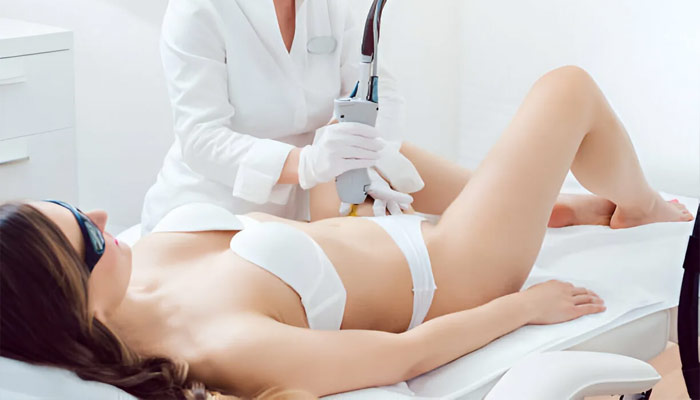
Laser Hair Removal:
- Offers a more permanent solution over multiple sessions.
- Should be performed by a licensed professional.
- Works best on darker hair and lighter skin but options exist for different skin tones.
Additional Tips
Exfoliate gently a day before hair removal to prevent ingrown hairs.
Moisturize afterward to soothe the skin.
Avoid perfumed products immediately after hair removal, as they can irritate sensitive skin.
Dermatologists stress that the best method depends on your skin type, hair growth, and pain tolerance. Listening to your body and following hygiene practices are key to a safe and comfortable pubic hair removal experience.
Comments are closed.