
Urban Resilience in the Face of Climate Change: India’s Strategy

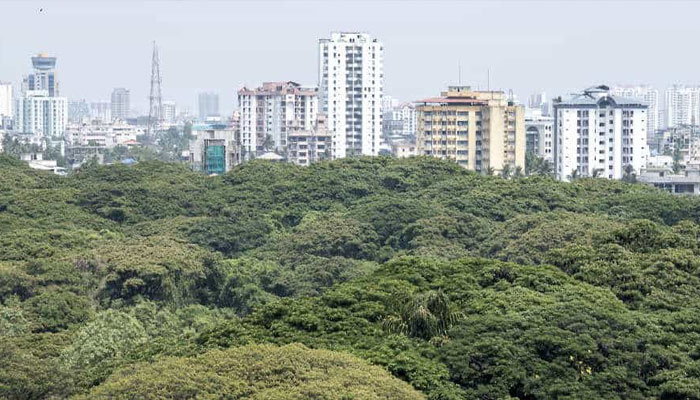
India’s Urban Future: Building Cities for Climate Resilience.
The Urban Century for India
India’s future will be written in its cities. Within five years, urban areas are projected to generate more than 70% of new jobs, and by mid-century, nearly a billion Indians could be living in towns and cities. Some of these megacities will surpass the size of entire nations. To harness this transformation, urban centers must prepare now to unlock the creativity, skills, and enterprise of their young populations.
A Critical Moment to Shape Growth
India has a unique advantage: much of its urban infrastructure is yet to be built. By 2070, demand for over 144 million new homes—more than double today’s stock—will reshape the urban landscape. This presents a rare chance to design cities that are inclusive, efficient, and climate-ready, supported by robust transport systems and reliable municipal services.
Why Climate Resilience Matters
The climate crisis threatens to undo decades of progress if resilience is not embedded into infrastructure planning. Floods, heatwaves, and other extreme events already impose high costs—and without action, damages could rise into the tens of billions annually.
Flooding Risks: By 2030, two-thirds of urban residents may face flooding, with damages nearing $5 billion a year. By 2070, this could rise to $30 billion. Proactive measures—such as identifying no-build zones, improving drainage networks, expanding wetlands, and deploying flood-warning systems—can reduce risks. Cities like Kolkata and Chennai are already pioneering such initiatives.
Extreme Heat: Heat islands make Indian cities 3–5°C warmer at night compared to surrounding regions, a problem set to worsen with climate change. Adaptation strategies—like Ahmedabad’s Heat Action Plan, tree-lined streets, reflective roofs, and adjusted work hours for outdoor laborers—can protect health and productivity.
Shaping Housing and Mobility
More than half of India’s 2070 housing stock is still on the drawing board. Decisions taken now about design, density, and materials will influence generations. Compact, climate-smart housing developments can cut emissions, lower costs, and improve safety.
Mobility, too, is central. Over a quarter of urban roads are flood-prone, leaving cities vulnerable to gridlock during heavy rains. Resilient road design, better drainage, redundancy in transport routes, and regular maintenance are essential to keeping economies moving.
Reinventing Municipal Services
Modernising basic services will determine the liveability of cities. Waste management that converts refuse into energy, cleaner water systems, and smarter utilities can improve public health while cutting pollution. These investments directly support productivity and raise living standards.
The Investment Imperative
Transforming Indian cities into climate-resilient hubs will not be cheap—it could cost nearly $11 trillion over the next three decades. But the returns are clear: avoided damages worth billions every year, more jobs, stronger innovation ecosystems, and higher investor confidence.
The Path Forward
Urban India stands at a crossroads. Choices made in the next few years will define whether cities become engines of opportunity or sites of vulnerability. By aligning infrastructure growth with climate resilience, India can secure a sustainable, inclusive urban future. The moment for action is brief—and it is now.
Comments are closed.