
Zydus Seeks Regulatory Nod for Chikungunya Vaccine, Joins Bharat Biotech, SII in Race

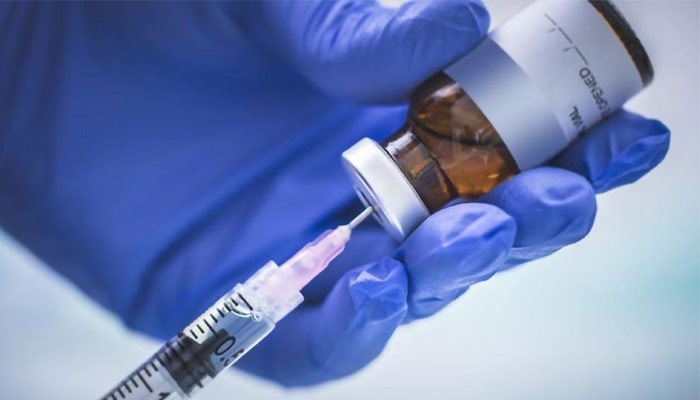
India’s Chikungunya Vaccine Race Gains Momentum as Zydus Joins.
India could soon have its own vaccine against chikungunya, with major players moving their candidates into advanced trials. Zydus Life Sciences has now entered the race, joining Bharat Biotech and the Serum Institute of India.
The country’s top drug regulatory panel, the Subject Expert Committee (SEC), recently reviewed Zydus’s proposal for an inactivated chikungunya vaccine. The company submitted a Phase I/II trial plan, but regulators have asked for additional data and protocol revisions before human trials can commence. Zydus has already completed animal toxicity studies using the chikungunya parent virus strain.
Bharat Biotech is currently the frontrunner with its inactivated vaccine BBV87, developed in collaboration with the International Vaccine Institute and CEPI (Coalition for Epidemic Preparedness Innovations). The company has received approval to advance to Phase III trials after promising Phase II results. CEPI, established in 2017, supports vaccine development for emerging infectious diseases worldwide.
Globally, chikungunya vaccines are starting to reach the market. In 2023, French company Valneva received US approval for its live-attenuated vaccine IXCHIQ, while Bavarian Nordic launched VIMKUNYA, a virus-like particle vaccine for adolescents and adults. Valneva has also partnered with India’s Serum Institute for regional manufacturing.
Chikungunya, caused by the chikungunya virus (CHIKV), spreads primarily through Aedes mosquitoes, including Aedes aegypti and Aedes albopictus. According to the European Centre for Disease Prevention and Control, roughly 620,000 cases and 213 deaths were reported globally in 2024.
Zydus Vaccine Status
The SEC emphasized that safety and strong supporting data are critical. While Zydus has completed acute and repeat-dose toxicity studies, the firm has yet to provide a lethal dose challenge study in animals or non-human primates, as well as Developmental and Reproductive Toxicology (DART) and immunogenicity data to support dose selection.
The committee advised that the Phase I and II studies should be conducted separately to first confirm safety and tolerability in humans. Zydus has proposed a single- or two-dose study depending on Phase I outcomes. The SEC recommended that the company submit a revised Phase I protocol addressing these observations for further review.
With Zydus entering the fray, India’s effort to develop a homegrown chikungunya vaccine is gaining new momentum, bringing the country closer to having a locally produced solution against the mosquito-borne disease.
Comments are closed.