
Global temperatures remain near record levels; September ranks as Earth’s third-hottest

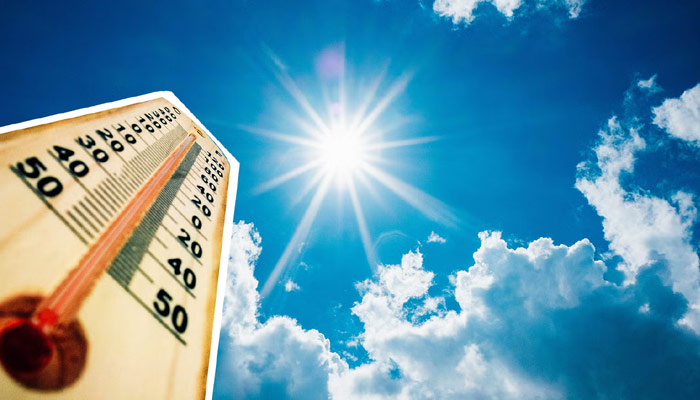
The world recorded its third-warmest September on record, the Copernicus Climate Change Service reported, as global temperatures remained perilously close to historic highs.
While September 2025 did not surpass the record set in 2023, it was only slightly cooler than the same month last year, underscoring the persistence of elevated global temperatures. “The global temperature situation remains largely unchanged, with consistently high land and sea surface temperatures reflecting the ongoing accumulation of greenhouse gases in the atmosphere,” said Samantha Burgess, strategic lead for climate at Copernicus.
September’s global temperatures were 1.47°C above the 1850–1900 pre-industrial average. Scientists warn that even seemingly small increases in temperature can have severe consequences, destabilizing weather patterns, increasing the frequency of extreme events, and pushing the planet toward critical climate tipping points.
Human activity, particularly emissions from fossil fuel use since the industrial revolution, continues to drive these rising temperatures. Current trends suggest 2025 is likely to rank as the third-hottest year on record, following 2024 and 2023.
The report comes ahead of the UN climate talks in Brazil next month, where nations will review global strategies to combat climate change. Experts caution that emissions reductions are insufficient, with many countries still approving new coal, oil, and gas projects.
Copernicus bases its analysis on billions of measurements from satellites, ships, aircraft, and weather stations. For longer-term context, scientists also use ice cores, tree rings, and coral data to track climate trends over thousands of years. Evidence indicates that the current period is likely the warmest the Earth has experienced in the last 125,000 years, highlighting the urgent need for accelerated global action to limit further warming.
Comments are closed.