
Global Efforts Underway to Shield Sinking Cities from Rising Seas and Climate Change

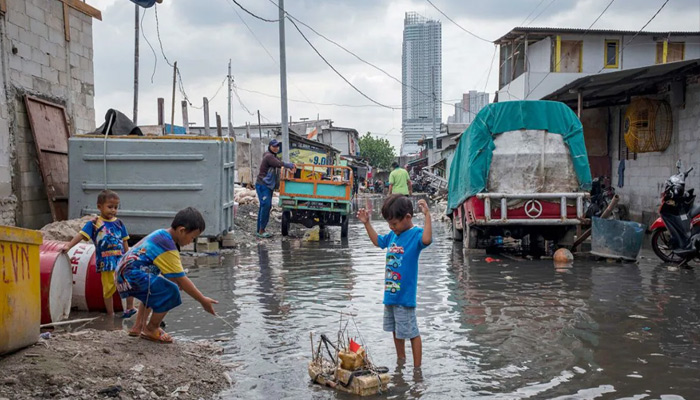
Cities across the globe are slowly sinking, a consequence of rising sea levels, rapid urbanisation, and decades of environmental mismanagement.
In urban centres like Jakarta and Taipei, flooded streets have become a part of everyday life, forcing residents to wade through water to reach offices, schools, or transit hubs. Yet, scientists and urban planners are developing innovative solutions that offer a glimmer of hope.
Innovative Approaches to Rescue Sinking Cities
According to a recent Nature Cities report, much of the subsidence is driven by human activity, particularly excessive groundwater extraction. Cities built on soft sediments, especially in Asia and the Americas, face the highest risk, with approximately 34 million people affected worldwide.
In China, the “sponge city” concept is being implemented to manage floods and droughts simultaneously. Permeable pavements, rooftop gardens, and drainage systems redirect rainwater into underground reservoirs, replenishing aquifers and reducing surface flooding.
In Virginia, USA, the SWIFT initiative is returning millions of gallons of treated wastewater daily to the ground rather than allowing over-extraction for municipal or industrial use. Hydrologist Dan Holloway of the Hampton Roads Sanitation District notes that this process helps restore groundwater levels and stabilise the land.
The Netherlands is experimenting with “wet agriculture,” cultivating water-tolerant crops on peatlands. This method reduces subsidence, maintains farm productivity, and adapts to changing water levels.
Experts emphasise that no single approach can solve the crisis of sinking cities. However, combining technological interventions with nature-based solutions shows that it is possible to curb land subsidence, manage flooding, and create more resilient urban environments. These efforts signal that, with careful planning, cities can adapt and even recover from decades of environmental pressure.
Comments are closed.