

Tech Glitch at Delhi Airport Delays 800+ Flights, Operations Slowly Resume.
Delhi’s Indira Gandhi International Airport (IGIA) faced major disruption on Friday after a technical snag in its Air Traffic Control (ATC) system delayed more than 800 flights, leaving hundreds of passengers stranded. The issue began late Thursday and affected the Automatic Message Switching System (AMSS), a critical network that feeds data to the Auto Track System (ATS) responsible for generating flight plans. The AMSS was restored by late Friday evening.
The Airports Authority of India (AAI) said, “Flight operations at Delhi Airport were disrupted due to a technical issue with the AMSS supporting ATC flight planning. All airline operations were impacted. Authorities are working to resolve the issue as quickly as possible.” Passengers were advised to follow updates from their respective airlines.
During the outage, flight plans had to be processed manually, slowing operations and causing congestion. The glitch also affected the Automatic Terminal Information System (ATIS), which provides weather updates to pilots. Aviation expert Captain Sharath Panicker explained, “Manual flight planning takes much longer, which naturally causes delays. Even weather updates had to be entered manually, adding to the backlog.”
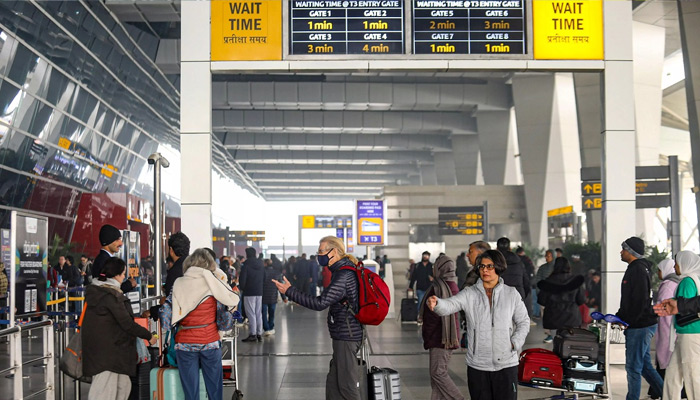
IGIA, India’s busiest airport with over 1,500 daily flight movements, saw average departure delays of 45–50 minutes by 9 am. Airlines including IndiGo, SpiceJet, and Air India issued advisories warning passengers of potential disruptions. Passengers reported long queues, repeated rescheduling, and hours-long waits, with many sharing complaints on social media.
AAI, in coordination with ECIL officials and OEM support, restored the AMSS by evening. “Though minor delays may continue due to the backlog, automated operations are resuming, and normalcy is expected shortly,” the authority said. Ripple effects were reported at other airports, including Mumbai, Lucknow, Jaipur, Chandigarh, and Amritsar, as flight schedules adjusted to the disruption.
Comments are closed.