

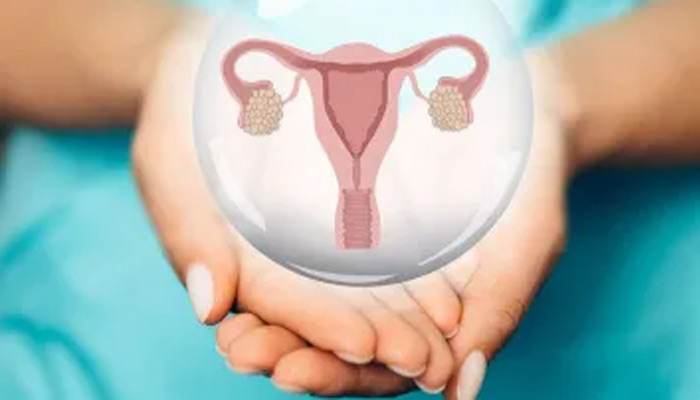
Endometriosis is often misunderstood as just “bad period pain,” but in reality, it’s a chronic, inflammatory condition.
That can affect several organs, causing severe physical pain and emotional distress. Despite affecting nearly one in ten women worldwide, myths and misinformation continue to surround it — often delaying diagnosis and effective treatment.
To bring clarity, Dr. Smeet Patel, Endometriosis Specialist at Mayflower Women’s Hospital, Ahmedabad, and Dr. Sanjay Patel, Endometriosis Surgeon, help separate the most common myths from medical facts.
Myth 1: “Severe cramps are just a normal part of periods.”
Fact: “Pain from endometriosis is not normal,” explains Dr. Smeet Patel.
“Unlike routine menstrual cramps, the pain is chronic, intense, and interferes with day-to-day life. Many women ignore it thinking it’s normal, which delays diagnosis. Early evaluation is crucial — it helps preserve fertility and prevents complications.”
Myth 2: “A normal ultrasound means you don’t have endometriosis.”
Fact: Standard ultrasounds often miss deep or hidden lesions.
“Endometriosis can be present around the bowel, bladder, or behind the uterus — areas regular imaging might not detect,” says Dr. Patel.
For accurate diagnosis, specialist imaging or laparoscopic evaluation is often needed.
Myth 3: “Hormonal pills can cure endometriosis.”
Fact: “Hormonal medication may ease pain, but it doesn’t remove the disease,” says Dr. Smeet Patel. “These treatments offer temporary symptom control, but the only definitive approach is surgical excision of the endometriotic tissue — combined with physiotherapy, nutrition, and emotional care for lasting recovery.”
Myth 4: “Pregnancy cures endometriosis.”
Fact: “Pregnancy may suppress symptoms for a while, but it doesn’t cure the disease,” clarifies Dr. Sanjay Patel.
“Once periods return, pain and inflammation often come back. Relying on pregnancy as a ‘treatment’ can even complicate fertility in the long term.”
Myth 5: “Repeated small surgeries help manage endometriosis.”
Fact: “Multiple incomplete procedures can do more harm than good,” warns Dr. Sanjay Patel.
“They can lead to internal scarring, nerve damage, and worsening pain. A single, comprehensive surgery performed by a trained multidisciplinary team gives far better outcomes.”
Myth 6: “Endometriosis only affects the uterus.”
Fact: The disease can extend well beyond the uterus.
“Endometriosis can affect the bowel, bladder, diaphragm, and even nerves,” says Dr. Patel.
“That’s why care should involve specialists from multiple disciplines — surgery, radiology, fertility, and physiotherapy — for holistic management.”
Endometriosis is not just “painful periods.” It’s a complex condition that requires awareness, early detection, and individualized treatment. With the right combination of surgical precision, supportive therapies, and patient education, women living with endometriosis can regain control of their health, fertility, and quality of life.
Comments are closed.