

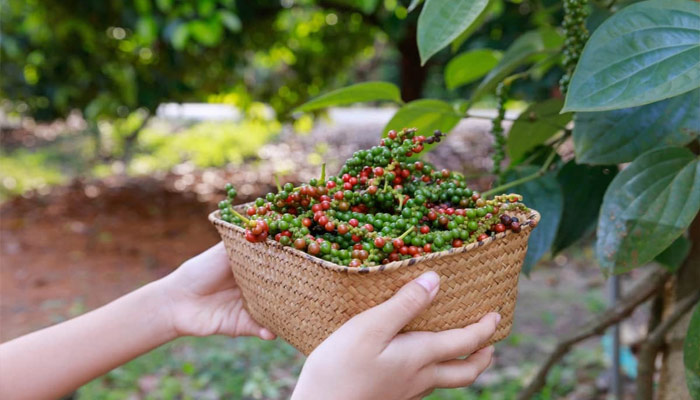
Winter Gardening Made Easy: Grow Your Own Black Pepper at Home.
Winter may slow plant growth, but with the right care, some plants thrive even in colder months — and black pepper, the “queen of spices,” is one of them. Packed with flavor, aroma, and medicinal benefits, this staple spice can easily be grown at home in pots, on balconies, or in small gardens.
How to Grow Black Pepper in Winter
1. Choose the Right Time
While black pepper is a tropical plant, it can flourish in winter if protected from frost and cold winds. November to February is ideal for developing strong roots.
2. Start Your Plant
For beginners, it’s easiest to buy a young plant from a nursery. You can also grow it from ripe peppercorns: soak them for 24 hours, plant 1 inch deep in soil, and cover lightly.
3. Prepare Ideal Soil
Use a mix of compost and cocopeat to keep the soil light, airy, and nutrient-rich. Maintain a pH between 5.5 and 6.5 for healthy growth.
4. Water and Sunlight
In winter, water moderately — about twice a week — and ensure good drainage to prevent root rot. Place the plant where it receives gentle morning sunlight.
5. Provide Support
Black pepper is a climbing vine. Support it with bamboo sticks, wooden poles, or wires, and tie the vine gently as it grows upward.
6. Feed and Protect
Fertilize with vermicompost or cow dung manure every 20–25 days. During very cold or foggy nights, lightly cover the plant to protect it from chill.
7. Harvesting Your Spice
Black pepper plants bear fruit in 2–3 years. Harvest when the berries turn yellow or red, then dry them to get fresh, aromatic black pepper.
Growing black pepper at home is not only rewarding but ensures a steady supply of fresh, organic spice — perfect for winter cooking and wellness.
Comments are closed.