

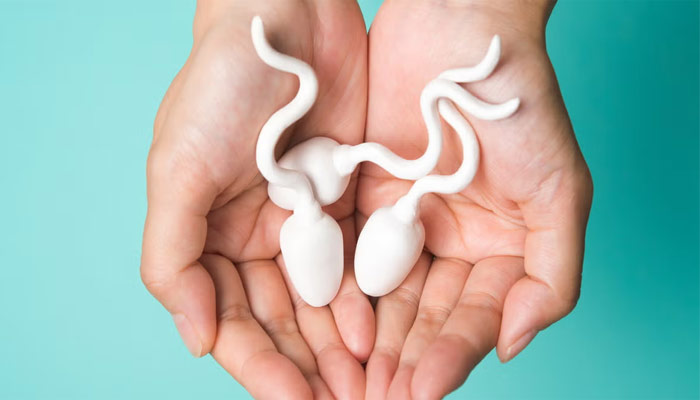
Sperm Health at 25 vs 45: What Really Changes Over Time.
“Sperm health doesn’t remain constant with age,” says Dr. Karishma Makhija, Fertility Specialist at Birla Fertility & IVF, Rohini. “Men continue producing sperm throughout life, but the quality changes gradually over the years.”
At 25, sperm is generally robust — with good motility, shape, and stable genetic material. By 45, however, some parameters tend to decline. “The sperm count might still fall within the normal range,” Dr. Makhija explains, “but motility and morphology often reduce, and DNA damage inside the cells becomes more common.”
What Studies Reveal
Research has consistently shown this gradual decline. A 2020 study in Fertility and Sterility reported that sperm motility can drop by up to 25–30% between ages 30 and 50. Another study published in Human Reproduction found that DNA fragmentation — which can affect embryo quality and pregnancy outcomes — rises steadily after 40.
“This isn’t just data; we see it play out in real life,” says Dr. Makhija. “Even when sperm counts look fine on paper, their functional quality — how they move or fertilize an egg — can be quite different after 40.”
Can Older Men Still Conceive?
Age alone doesn’t stop men from becoming fathers. Many successfully conceive well into their 40s and 50s, though conception may take longer and certain genetic risks can increase slightly.
“We’re seeing more older men becoming fathers today,” Dr. Makhija notes. “Better awareness, medical support, and lifestyle choices have helped. Age matters, but it’s not the only factor. Knowing your fertility status early helps you plan better.”
Some studies also link advanced paternal age to a higher risk of developmental disorders in children, but as Dr. Makhija points out, “It’s a possibility, not a guarantee — genetics, health, and lifestyle all play major roles.”
Lifestyle Makes a Bigger Difference Than You Think
“What often matters just as much as age is lifestyle,” emphasizes Dr. Makhija. “We see major differences between men of the same age depending on their habits.”
Smoking, excessive drinking, obesity, poor diet, lack of exercise, and chronic stress all impact sperm quality. Conversely, a balanced diet, regular physical activity, and adequate sleep can help maintain fertility for much longer.
“Even small lifestyle improvements — like cutting down on alcohol or getting better sleep — can visibly improve sperm parameters within a few months,” she adds.
When to Get Checked
If you’re finding it difficult to conceive, or planning fatherhood later in life, a semen analysis is the simplest first step.
“A basic semen test gives us a clear picture — sperm count, motility, shape, and more,” explains Dr. Makhija. “It helps us identify what can be improved naturally and what may need medical support.”
Getting tested early gives men the opportunity to make changes that can significantly improve outcomes.
“Age influences sperm health,” concludes Dr. Makhija, “but overall wellness matters just as much. Taking care of your health early can make a real difference later.”
Comments are closed.