

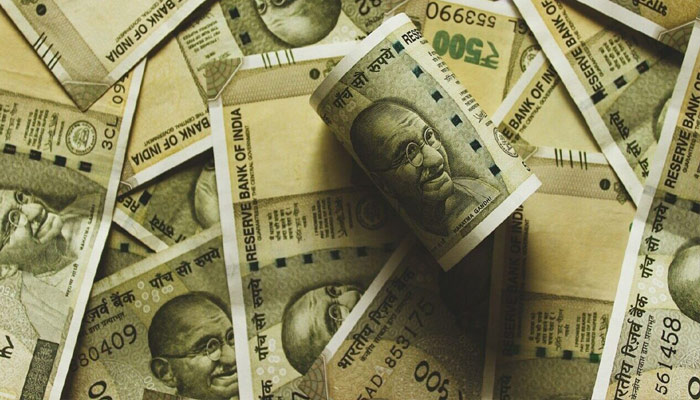
The Indian rupee fell to a record low on Wednesday, breaching 90 per US dollar in early trade.
The slide, building over recent weeks, reflects strong dollar momentum and foreign investors pulling money out of Indian markets. By 10 am, the rupee was trading at 90.11 per dollar, showing little sign of stabilisation. While traders said the fall was expected, its speed caught the market off guard. The Reserve Bank of India reportedly intervened to curb volatility, but the currency struggled to recover during the day.
Several factors have weighed on the rupee: weak foreign portfolio inflows, uncertainty around pending US-India trade talks, and a global environment favouring the dollar. Together, they have left the rupee vulnerable. A weaker currency immediately affects households and businesses. Import costs, particularly for crude oil, electronics, and industrial goods, rise, while companies with overseas loans face higher repayment bills. Students and travellers also feel the impact, though exporters may see limited relief.
Analysts expect continued volatility unless foreign inflows pick up or global conditions ease. Market watchers are now focused on whether the central bank will take stronger steps to defend the 90 mark. The breach of this symbolic level signals that pressure on the rupee is far from over.
Comments are closed.