
“Prevent Anaemia During Winter Pregnancy With Smart Nutrition and Sunlight”

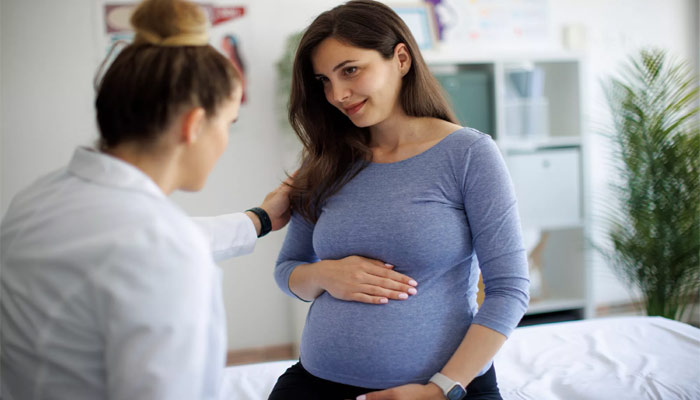
Winter Pregnancy: How Sunlight, Diet, and Supplements Can Prevent Anaemia.
Winter is a season of cozy foods, early sunsets, and slower routines—but it also poses a hidden challenge for pregnant women: reduced sunlight and lower vitamin D levels. This seasonal dip affects more than just mood or immunity; it directly impacts red blood cell health, increasing the risk of anaemia. Understanding this link is the first step toward prevention.
The Sunlight–Vitamin D–Anaemia Connection
Vitamin D plays a crucial role in blood health, especially during pregnancy. “Vitamin D deficiency and anaemia are closely linked because vitamin D supports red blood cell production and regulates iron metabolism,” explains Dr. Keerti Khetan, Director of Obstetrics & Gynaecology at CK Birla Hospital, Delhi.
When vitamin D levels drop, hepcidin—a hormone that controls iron absorption—increases, lowering ferroportin levels and reducing iron uptake. The result? Lower hemoglobin, reduced RBC count, and higher risk of anaemia.
Dr. Payal Choudhary, Senior Consultant – Obstetrician & Gynaecologist at Rosewalk by Rainbow Hospitals, Delhi, emphasizes that winter intensifies the risk. “Limited sunlight compromises the body’s ability to maintain healthy blood cell production. Keeping vitamin D levels adequate is essential for hemoglobin and overall wellbeing.”
Boosting Vitamin D Naturally
Maintaining vitamin D levels during winter is vital. Experts recommend a combination of sunlight, diet, and supplementation:
Sunlight: Aim for 15–30 minutes of midday sun exposure, three times a week, to help the body produce vitamin D naturally.
Supplements: Follow your doctor’s guidance for vitamin D supplements, especially if sunlight exposure is limited.
Diet: Include iron-rich foods such as leafy greens, lentils, beans, lean meats, and fortified cereals. Pair them with vitamin C-rich foods like citrus fruits, tomatoes, or amla to improve absorption.
Screening and Medical Guidance
Routine blood tests for hemoglobin, ferritin, and vitamin D are crucial to detect deficiencies early. Women with limited sun exposure, dietary restrictions, or higher nutritional needs should especially prioritize screening.
“Vitamin D, when combined with iron supplements, can help manage anaemia,” says Dr. Khetan. Dosage should always be personalized by an obstetrician to ensure safety for both mother and baby.
Winter Health Made Simple
With regular sunlight, evidence-backed supplementation, a nutrient-rich diet, and timely screening, pregnant women can maintain strong vitamin D and iron levels throughout winter. The colder months may limit sunlight—but they don’t have to compromise your health.
If you like, I can also create a catchier, web-friendly version with punchy subheads, shorter sentences, and easy-to-scan tips for better online engagement. This would make it perfect for health blogs or parenting sites.
Comments are closed.