
India Establishes Own Air Quality Norms, WHO Guidelines Not Mandatory, Says Govt

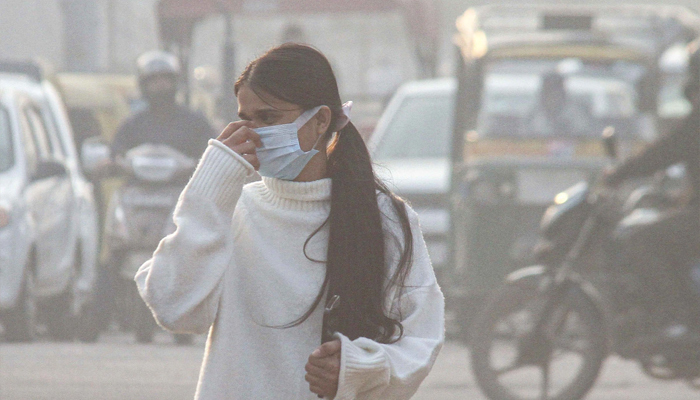
Centre: India Follows Own Air Quality Standards, WHO Guidelines Are Advisory.
The Centre has told Parliament that India sets its own air quality standards, and global rankings by organisations like IQAir, WHO, and the Environmental Performance Index carry no official weight. The WHO’s guidelines are advisory, intended to guide countries in framing standards suited to local conditions, geography, and environmental factors.
Minister of State for Environment Kirti Vardhan Singh noted that India has already notified its National Ambient Air Quality Standards (NAAQS) for 12 key pollutants. The government also monitors urban air quality through the Swachh Vayu Survekshan, ranking 130 cities under the National Clean Air Programme (NCAP) based on efforts to improve air quality.
The clarification comes after IQAir’s 2024 report highlighted India’s ongoing pollution challenges, ranking the country fifth globally for smog. Thirteen of the world’s 20 most polluted cities were in India, with Byrnihat in Assam topping the list and Delhi named the most polluted capital.
Despite regulatory efforts, cities like Delhi continue to experience hazardous air quality levels, underscoring the persistent challenge of managing air pollution across the country.
Comments are closed.