
US Tightens Travel Rules: Complete Ban on 7 Countries, Partial Restrictions on 15

US Expands Travel Ban: Full Ban on 7 Countries and Palestinians, Partial Restrictions on 15 More
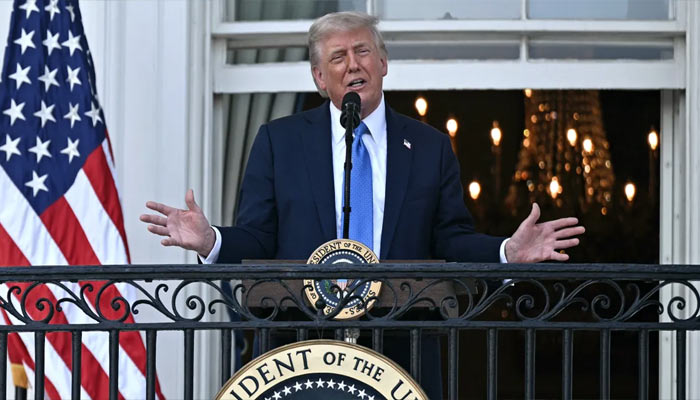
US President Donald Trump has signed a proclamation imposing a complete travel ban on seven more countries and Palestinian travelers, while placing partial restrictions on 15 additional nations. The move cites national security, public safety, weak vetting systems, and high visa overstay rates, expanding the US travel restrictions to a total of 39 countries.
Full Travel Ban
The countries under a full ban include Burkina Faso, Mali, Niger, South Sudan, Syria, Laos, Sierra Leone, along with Palestinian Authority passport holders. Laos and Sierra Leone were previously subject only to partial restrictions. The expanded measures take effect January 1, 2026.
Partial Restrictions
Fifteen countries now face partial entry limits: Angola, Antigua and Barbuda, Benin, Côte d’Ivoire, Dominica, Gabon, The Gambia, Malawi, Mauritania, Nigeria, Senegal, Tanzania, Tonga, Zambia, and Zimbabwe. Nationals of Burundi, Cuba, Togo, and Venezuela continue under existing partial restrictions. Meanwhile, Turkmenistan sees some easing, with non-immigrant visa restrictions lifted.
Reasons Behind the Ban
The White House highlighted terrorist activity, internal conflict, and high visa overstays as key factors. Burkina Faso, Mali, Niger, and Nigeria were flagged for terrorism threats, while Syria was cited for lacking a stable authority to issue passports or civil documents after years of civil unrest.
The move follows recent security incidents, including the November 26 killing of two National Guard members in Washington DC and the December 13 ambush in Syria, which killed two US soldiers and an American interpreter.
Exemptions and Waivers
Exemptions apply to lawful permanent residents, current visa holders, diplomats, athletes, and individuals entering for US national interests. Case-by-case waivers remain, though broader family-based visa carve-outs have been narrowed due to fraud risks.
Comments are closed.