
Can Flu or COVID-19 Reactivate Dormant Cancer Years Later? New Study Explores the Risk

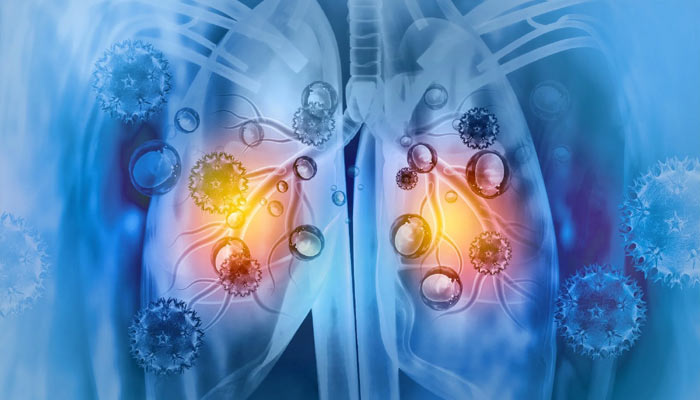
Study Suggests Flu and COVID-19 May Reactivate Dormant Cancer Cells Years After Remission
For many cancer survivors, remission marks the end of a long and gruelling journey. However, new research suggests that common respiratory infections such as influenza and COVID-19 may, in some cases, reactivate dormant cancer cells years—or even decades—after successful treatment.
A study published in Nature on July 30, 2025, offers fresh insight into why cancer can recur long after patients are declared cancer-free. Researchers found that viral infections may “wake up” disseminated cancer cells (DCCs) that have spread to other organs and remained inactive for years.
Dormant cancer cells and metastasis
After initial treatment, some cancer cells can migrate to organs such as the lungs, bones or liver. These cells may enter a dormant state, evading the immune system and remaining undetected for extended periods. What causes these cells to become active again has remained poorly understood.
Viruses as a potential trigger
Led by Dr James DeGregori at the University of Colorado Anschutz Medical Campus, the research team studied mouse models of breast cancer. They found that infection with influenza or SARS-CoV-2 significantly increased the activity of dormant cancer cells in the lungs.
In one experiment, mice harbouring dormant breast cancer cells showed a 100- to 1,000-fold increase in cancer cell numbers within 15 days of influenza A infection. Similar reactivation was observed following COVID-19 infection, with cancer cells remaining active months after the virus had cleared.
Inflammation and the role of IL-6
The study identified interleukin-6 (IL-6)—a protein released during infections—as a key driver of this process. IL-6 is known to promote tumour growth and disrupt cancer cell dormancy. Mice unable to produce IL-6 showed markedly reduced cancer reactivation after infection, underscoring its role.
Immune response may have a dual effect
Researchers also found that dormant cancer cells clustered near CD4+ T cells in the lungs. Removing these cells reduced cancer activity, while CD8+ T cells—responsible for killing cancer cells—became more effective. This suggests that certain immune responses triggered by infection may inadvertently support tumour growth.
Human data adds weight, but questions remain
Analysis of data from nearly 5,000 cancer survivors in the UK Biobank showed that those who contracted COVID-19 had nearly double the risk of dying from cancer. In a separate dataset of 36,000 women with breast cancer, COVID-19 infection was associated with a roughly 40% higher risk of lung metastasis.
Researchers caution, however, that these observational findings do not prove causation and further studies are needed to confirm the link in humans.
Implications for cancer survivors
The findings may help explain the rise in cancer deaths observed during the pandemic and why recurrence can occur long after apparent recovery. Potential future strategies could include targeting IL-6 or managing inflammation during infections in high-risk patients.
“Dormant cancer cells are like embers in an abandoned campfire, and respiratory viruses are like a strong wind that can reignite the flames,” Dr DeGregori said.
Experts stress that while most cancer survivors will not experience recurrence, the study highlights the importance of infection prevention, vaccination, and long-term monitoring even years after remission.
Comments are closed.