
Air Pollution in India: Doctors Call It the Largest Health Crisis Since Covid

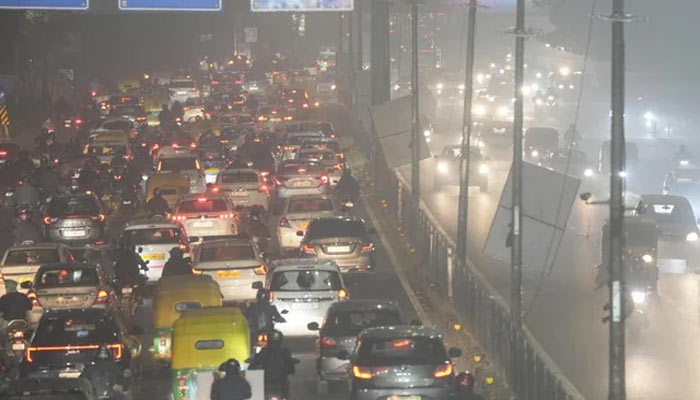
Air Pollution Emerges as India’s Largest Health Crisis Since Covid, Warn Doctors.
Air pollution has become arguably the most pressing public health crisis India has faced since the pandemic, and experts warn that its impact will worsen unless urgent measures are taken. UK-based Indian-origin pulmonologists and other senior doctors highlight a “hidden tsunami” of undiagnosed airway diseases, which threatens to strain both citizens and the healthcare system.
Speaking to PTI, multiple senior doctors practising in the UK noted that the rise in cardiovascular and respiratory diseases over the past decade is linked not only to lifestyle factors like obesity but also to toxic emissions from urban transport—including cars and aircraft—in cities across India, the UK, and beyond.
Union Transport Minister Nitin Gadkari recently acknowledged that nearly 40% of Delhi’s pollution comes from the transport sector, stressing the urgent need for cleaner alternatives and the adoption of biofuels.
Hidden Burden of Airway Diseases
Consultant pulmonologist Manish Gautam, based in Liverpool and former member of India’s Covid-19 advisory committee, warned that the damage to lung health is already extensive. “What is being managed now represents only the tip of the iceberg. A vast, hidden burden of undiagnosed airway disease is building beneath the surface,” he said, urging policymakers to prioritise early detection and treatment through initiatives such as a rapid “lung health task group.”
December hospital data from Delhi show a 20–30% spike in respiratory patients, including many first-time cases and young adults, underscoring the growing health impact.
Gautam pointed out that while pollution control remains essential, it is no longer sufficient on its own. “India has demonstrated that large-scale public health interventions are possible, as seen with tuberculosis. A similar level of urgency and investment is now needed for airway diseases.”
Cardiovascular and Systemic Impacts
Rajay Narain, honorary cardiologist at St George’s University Hospital, London, said “overwhelming scientific evidence” links air pollution to cardiovascular, respiratory, neurological, and systemic diseases. Early warning signs—headaches, fatigue, mild cough, throat irritation, eye dryness, skin rashes, and recurrent infections—are often overlooked but may indicate chronic illness.
Professor Derek Connolly, consultant cardiologist at Birmingham’s Midland Metropolitan University Hospital, highlighted that even on seemingly clean days, residents in polluted cities face invisible cardiovascular risks. He noted that the decade-long rise in heart disease has been partially driven by increasing automobiles and air travel, not just obesity.
Scale of the Crisis
According to the 2025 Lancet Countdown on Health and Climate Change, PM2.5 pollution caused over 17 lakh deaths in India in 2022, with petrol-based road transport contributing 2.69 lakh of these. A May study by the International Council on Clean Transportation found that policies targeting road transport emissions could save 1.9 million lives and prevent 1.4 million new asthma cases in children worldwide by 2040.
Doctors stress that while short-term measures can reduce immediate exposure, sustained, science-driven policies are essential to protect vulnerable populations, hold stakeholders accountable, and avert a growing public health catastrophe.
Comments are closed.