

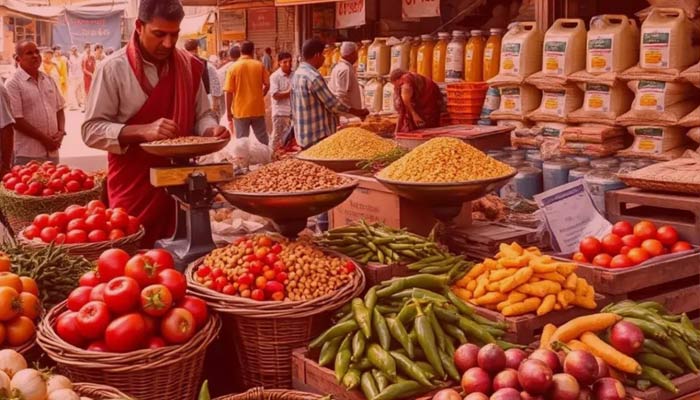
India’s annual retail inflation rose to 1.33% in December from 0.71% in November, official data released by the Ministry of Statistics on Monday showed. The increase was primarily due to a slower decline in food prices.
Food Deflation Eases
Food prices fell 2.71% year-on-year in December, compared with a sharper contraction of 3.91% in November. The easing of food deflation contributed most to the rise in headline inflation. Vegetable prices continued to remain significantly lower than a year ago, but the pace of decline moderated. Prices dropped 18.47% year-on-year in December, against a steeper fall of 22.20% in the previous month.
Monetary Policy Context
The subdued inflation environment, coupled with strong economic growth, led the Reserve Bank of India to cut interest rates by 25 basis points last month. With inflation still well below the central bank’s comfort level, expectations of additional rate cuts have strengthened.
India’s economy is estimated to expand 7.4% in the fiscal year ending March, helping cushion the impact of global headwinds, including higher US tariffs.
Impact on Consumers
For consumers, the rise in retail inflation does not immediately translate into higher living costs, as overall price pressures remain muted and food items—especially vegetables—are still considerably cheaper than a year earlier. Lower inflation also supports softer borrowing costs. Following the recent rate cut and the prospect of further easing, borrowers may benefit from lower EMIs, while returns on savings are likely to remain subdued.
Comments are closed.