
State Colleges, Agencies in Texas Stop Issuing Fresh H-1B Visas Amid Worker Protections

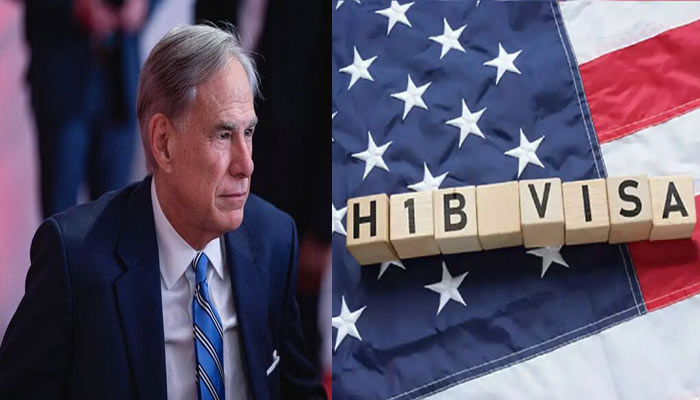
Texas Freezes New H-1B Visas at State Agencies and Universities Until 2027
Texas Governor Greg Abbott has ordered an immediate freeze on all new H-1B visa petitions at state agencies and public universities, citing abuse of the federal program and the need to prioritize jobs for American workers. The freeze will last until May 31, 2027.
“In light of reports of abuse in the federal H-1B program, and amid the ongoing federal review, I am directing all state agencies to halt new H-1B petitions,” Abbott wrote to agency heads.
The move follows a state inquiry into the use of H-1B visas by public schools, universities, and related institutions. The program, which allows employers to hire foreign professionals for specialized roles requiring at least a bachelor’s degree, has been a key resource for Texas universities, medical centers, and some school districts struggling to fill faculty, research, and teaching positions.
Abbott Cites Program Abuse
Abbott said evidence shows some employers have bypassed qualified U.S. workers, sometimes replacing them with H-1B employees at lower wages. “State-funded jobs should benefit Texas workers. The program is meant to supplement, not replace, our workforce,” he added, echoing restrictions from former President Donald Trump on non-immigrant workers.
Implementation Details
No state agency or public university can file new H-1B petitions without written approval from the Texas Workforce Commission. Agencies and universities must submit reports by March 27, 2026, detailing filings in 2025, current visa holders, countries of origin, job classifications, visa expiration dates, and evidence of recruitment efforts for Texas candidates.
Background
The H-1B program offers 65,000 visas annually, plus 20,000 for advanced-degree holders, valid for three to six years. Indian nationals accounted for 71% of approvals in FY 2024, but FY 2025 saw a 37% drop in approvals for traditional Indian IT firms, a 10-year low.
Abbott’s directive signals Texas’ intent to ensure state-funded jobs go first to local talent, while maintaining oversight of the H-1B program.
Comments are closed.