
India’s Silent Crisis: Tobacco Fuels Majority of Head and Neck Cancers

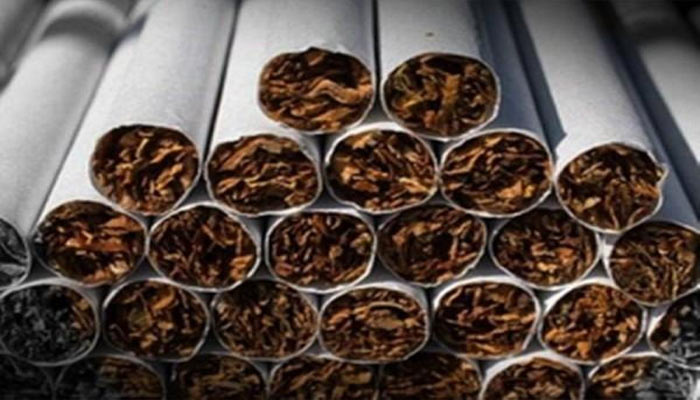
Tobacco Fuels India’s Hidden Epidemic of Head and Neck Cancers
On World Cancer Day, India faces a hard truth: head and neck cancers are among the country’s largest yet most neglected cancer burdens, and tobacco is the main driver. These are largely preventable, man-made diseases—not rare genetic misfortunes.
Data from GLOBOCAN and Indian cancer registries show that cancers of the oral cavity, pharynx, and larynx make up nearly one-third of all cancers in Indian men. In many high-volume hospitals, they are the single largest group of cancers treated daily. Most patients, however, present at advanced stages, making treatment more complex, costly, and less effective.
The Science Is Clear
Tobacco smoke and smokeless products contain carcinogens like nitrosamines and polycyclic aromatic hydrocarbons, which damage DNA in the mouth, throat, and voice box. Repeated exposure causes chronic inflammation and “field cancerisation,” leading to large, multifocal, or second primary tumours. Smokeless tobacco—gutkha, khaini, pan masala, betel quid—is particularly harmful. Alcohol and HPV further increase risks.
Preventable, Detectable, Treatable
Early signs—persistent mouth ulcers, hoarseness, difficulty swallowing, or painless neck lumps—are often ignored or misdiagnosed. Social stigma, normalized tobacco use, fear of diagnosis, and poor access to care delay treatment. Yet these cancers are preventable and highly curable if detected early. Tobacco control, cessation programs, public awareness, and opportunistic screening can dramatically reduce incidence and mortality.
The Call to Action
Tobacco is not just a lifestyle choice—it is the leading cause of a devastating, preventable group of cancers in India. The science is clear, solutions exist, and the cost of inaction is already visible in patients’ lives. World Cancer Day must remind us: political will, health system accountability, and societal commitment are urgently needed to curb this epidemic.
Comments are closed.