
Study: 80% of Indians show abnormal lipid profiles linked to heart disease

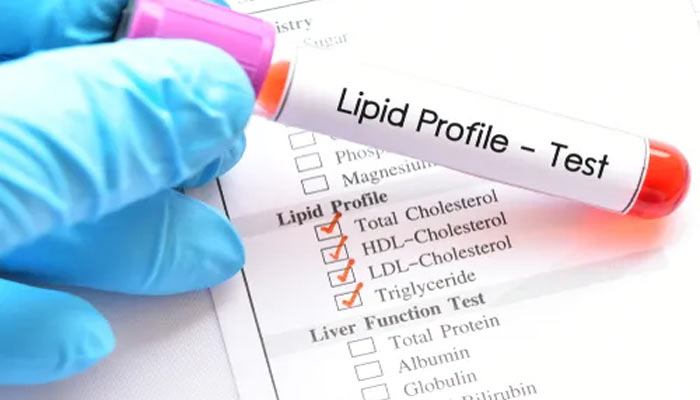
Whenever heart attacks or cardiac arrests are discussed, one test almost always comes up: the lipid profile. Yet, despite rising cardiac cases across India, a majority of people remain unaware of what the test measures or why it matters.
Experts warn that more than 80% of Indians have an abnormal lipid profile — a silent risk factor that significantly increases the likelihood of heart attacks.
Abnormal lipids: India’s biggest hidden cardiac risk
According to Dr JPS Sahni, Chairman of the Lipid Guidelines Committee of the Cardiological Society of India and Director of Cardiology at Sir Ganga Ram Hospital, conditions like high blood pressure, diabetes and stress often get blamed for heart attacks. However, he says the biggest contributor in India is dyslipidaemia — an imbalance in blood lipids.
“Nearly 80% of Indians have an abnormal lipid profile,” Dr Sahni said, adding that many patients are diagnosed only after a cardiac event.
Dr S Ramakrishnan, Professor of Cardiology at AIIMS New Delhi and co-author of the lipid guidelines, notes that about 50% of heart attacks are directly linked to abnormal lipid levels. Post-event evaluations frequently show that patients had never undergone lipid testing before their heart attack.
What does a lipid profile test measure?
A standard lipid profile checks three key components, explains Dr Ajay Agarwal, Interventional Cardiologist at Yatharth Hospital, Delhi:
LDL (bad cholesterol): Levels above 100 significantly raise heart attack risk
HDL (good cholesterol): Helps protect the heart
Triglycerides: High levels increase cardiovascular risk
Abnormalities in any of these can quietly damage blood vessels over time, eventually leading to blockages.
Why bad cholesterol matters most
LDL, or bad cholesterol, plays a major role in plaque formation inside arteries. When levels cross 100, the risk of heart attacks rises sharply. The good news, doctors say, is that LDL can usually be controlled with a combination of diet, lifestyle changes and medication.
The role of good cholesterol (HDL)
HDL should ideally be above 40. Regular exercise and physical activity are the most effective ways to increase HDL levels. Unlike LDL, there are currently no medications that can significantly raise good cholesterol.
Triglycerides and lifestyle habits
Triglyceride levels should stay below 200. High levels are commonly linked to excess sugar intake, oily and processed foods, alcohol consumption and sedentary lifestyles.
Doctors advise controlling blood sugar, limiting alcohol, improving diet and taking prescribed medication to bring triglyceride levels down.
Extended lipid profile and lipoprotein(a)
In some cases, doctors recommend an extended lipid profile that includes lipoprotein(a) — a genetically influenced form of bad cholesterol. Elevated lipoprotein(a) levels substantially increase heart attack risk, even in younger individuals.
When should you get tested?
Medical guidelines recommend that everyone should get a lipid profile test between the ages of 20 and 25.
- Up to 40 years: Once every five years
- After 40: Once every year
With heart disease increasingly affecting younger Indians, doctors stress that early testing and timely intervention can prevent life-threatening cardiac events.
Comments are closed.