
Bangladesh Faces Growing Healthcare Crisis Amid Climate Change and Pollution

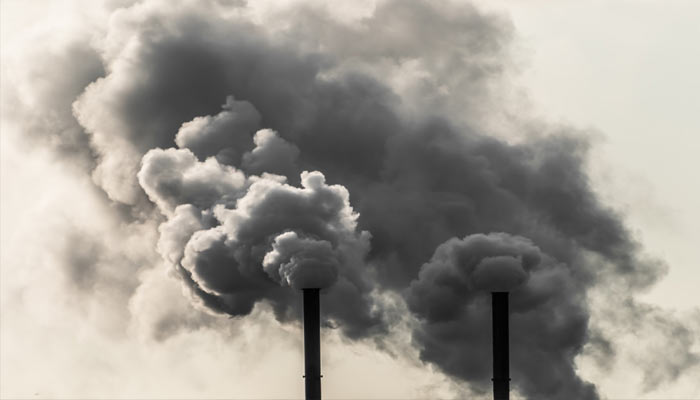
Climate Change and Pollution Push Bangladesh’s Healthcare to the Brink.
Bangladesh’s healthcare system is under severe strain as climate change and industrial pollution worsen public health, a report by The Irish Times highlights. Despite contributing just 0.3% of global CO₂ emissions, air quality in Dhaka often ranks among the world’s worst, fueling a rise in asthma, lung cancer, bronchitis, pneumonia, and chronic obstructive pulmonary disease.
Experts warn the country’s low-lying, densely populated landscape makes it highly vulnerable to climate impacts. With a population of around 174 million, Bangladesh could become the world’s most populous city by 2050, according to the UN.
“If pollution continues unchecked, our healthcare system could completely collapse,” said Dr. Mustafijur Rahman of Dhaka’s National Institute of Diseases of the Chest and Hospital. Many residents live in slums beside industrial areas with poor sewage systems, allowing infections to spread rapidly.
“Brickfields, garment factories, and tanneries release toxic fumes and pollute rivers, creating serious health hazards,” he added. Rising healthcare costs push families into debt, sometimes driving them to attempt dangerous migrations abroad.
Dr. Md. Safiun Islam, assistant professor of respiratory medicine, said ICU queues have grown to 20–30 patients, reflecting the system’s mounting pressure. “Controlling pollution-producing sectors is an emergency,” he said.
Ahead of elections on February 12, experts urge the new government to separate industrial zones from residential areas, improve sanitation, and educate citizens on hygiene and disease prevention.
Comments are closed.