
Ahead of Bangladesh Elections, Yunus Pushes ‘Secret’ US Trade Deal, Exporters Raise Concerns

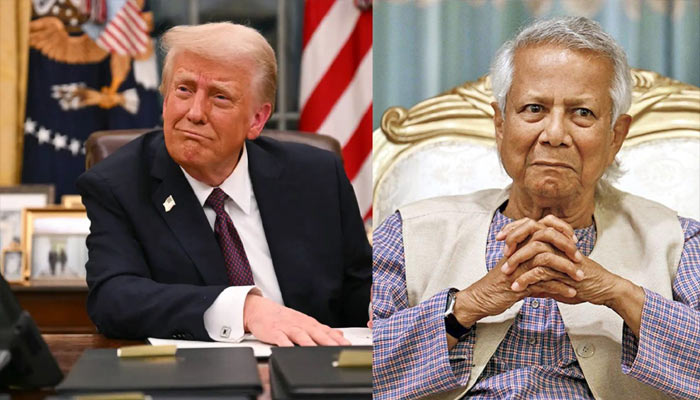
Bangladesh is set to sign a trade agreement with the United States on February 9, just three days before.
The country’s national elections, without disclosing any official details of the deal — a move that has sparked serious concern among exporters, economists and political observers. The agreement is being pursued by the unelected interim administration led by Muhammad Yunus, prompting sharp questions over legitimacy, transparency and intent. Critics argue that a non-elected government, expected to exit after the February 12 polls, is attempting to bind Bangladesh to a long-term economic arrangement without public consultation or parliamentary oversight.
The anxiety has been deepened by reports that the Yunus administration signed a non-disclosure agreement (NDA) with Washington in 2025, effectively shielding the negotiations from public scrutiny. The secrecy surrounding the deal, combined with its timing on the eve of elections, has intensified fears over its legality and long-term consequences for the economy.
A hurried deal before the polls
The rush to conclude the agreement has become a flashpoint. While the interim government’s mandate is limited, it is moving ahead with a trade pact that could reshape Bangladesh’s export sector for years.
Economist and public intellectual Anu Muhammad questioned the urgency in a social media post, asking why major policy decisions — including port leasing, arms purchases and trade agreements with the US — were being fast-tracked just days before a national election. He described the process as “non-transparent, illogical and irregular,” alleging that foreign lobbyists had been embedded within the administration to push these deals through.
Export sector sounds alarm
The strongest resistance has come from Bangladesh’s export industry, particularly the ready-made garments sector, which dominates trade with the United States. Bangladesh exports between $7 billion and $8.4 billion worth of apparel and textiles to the US each year, with garments accounting for nearly 96 per cent of the total. The industry employs an estimated 4–5 million workers, most of them women.
Exporters fear the undisclosed agreement could weaken Bangladesh’s competitiveness rather than enhance it. With US tariffs on Indian exports reduced to 18 per cent, while Bangladeshi goods continue to face a 20 per cent duty, industry leaders worry that the deal may fail to deliver meaningful relief.
Bangladesh Garment Manufacturers and Exporters Association (BGMEA) senior vice-president Inamul Haque Khan said the absence of consultation was alarming. He noted that while exporters had hoped tariffs could drop to around 15 per cent, the timing of the signing was troubling and such a far-reaching agreement should have been left to an elected government.
Economists warn of policy constraints
Economists have warned that the interim administration’s move risks constraining the policy choices of the next government. Debapriya Bhattacharya, distinguished fellow at the Centre for Policy Dialogue, said signing the agreement after the election would have allowed political parties to openly debate its benefits and risks. Proceeding now, he warned, could “tie the hands” of the incoming administration.
Dhaka Chamber of Commerce and Industry president Taskeen Ahmed echoed those concerns, saying the lack of transparency makes it impossible to assess who stands to gain or lose. He said businesses are increasingly worried about potential conditions attached to the agreement and their impact on specific sectors.
Political context fuels suspicion
The controversy has also reignited debate over how the Yunus-led interim administration came to power following the removal of Sheikh Hasina in 2024. Persistent allegations suggest Yunus assumed office with backing from Islamist groups such as Jamaat-e-Islami, alongside tacit Western support, though these claims have not been officially substantiated.
Bangladesh’s trade relationship with the US has already been volatile. After Washington imposed a steep 37 per cent tariff in April 2025, rates were gradually reduced to 20 per cent by August. Commerce Secretary Mahbubur Rahman confirmed last week that February 9 has been finalised as the signing date for the agreement, but declined to reveal any details, further fuelling unease as the country heads into a crucial election.
Comments are closed.