
India merits lower tariffs than neighbours, says Piyush Goyal; MEA on Russian oil

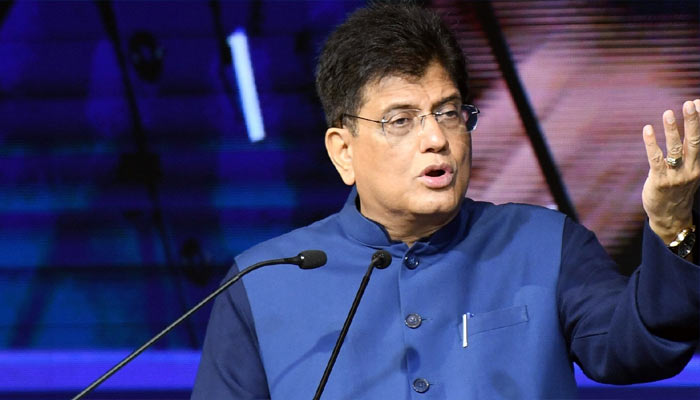
Commerce Minister Piyush Goyal on Saturday said India faces lower tariffs from the United States than competing economies and insisted that the interim trade agreement between the two countries does not harm Indian farmers, rejecting the Opposition’s allegations.
Briefing the media on the deal, Goyal said the revised tariff structure puts India at a relative advantage. “The 18 per cent tariff is better than our neighbouring countries,” he said, pointing out that China faces tariffs of 35 per cent, Vietnam and Bangladesh 20 per cent each, and Indonesia 19 per cent. He added that several Indian exports would enter the US market duty-free, citing smartphones as an example.
Russian oil: MEA to respond
Under the interim framework, the US has cut the reciprocal tariff on Indian goods to 18 per cent from 25 per cent and withdrawn the additional 25 per cent duty imposed on India for continuing to purchase Russian oil.
US President Donald Trump had earlier claimed that India would stop buying Russian oil as part of the agreement. The Indian government, however, has not issued any official confirmation. Goyal declined to comment on the issue, saying the Ministry of External Affairs would respond.
The joint statement released by New Delhi and Washington early Saturday makes no mention of Russia. However, a separate executive order issued by the White House states that the US lifted the punitive tariff imposed on Indian goods for continuing Russian oil purchases during the Ukraine war.
Government sources earlier told CNN-News18 that India would continue to follow a “people-first approach” on energy imports, buying oil from markets offering the best prices and from non-sanctioned entities.
Farmers kept out of the deal
Goyal said the government has ensured that sensitive agricultural sectors remain outside the scope of tariff concessions.
He said no reduced tariffs would apply to genetically modified crops, meat, poultry, dairy products, soyabean, maize, rice, wheat, sugar or millets such as jowar, bajra, ragi and amaranth. Fruits including banana, strawberry, cherry and citrus have also been excluded.
Products such as green tea, kabuli chana, moong, oilseeds, groundnuts, malt and malt-based products, non-alcoholic beverages, starch, ethanol and tobacco have not been given any concessions, he added.
At the same time, several Indian agricultural exports — including spices, tea, coffee, coconuts, coconut oil, cashews, and many fruits and vegetables — will enjoy zero-duty access to the US market.
Hits out at Opposition
Accusing the Opposition of misleading farmers, Goyal said no concessions had been given on key agricultural products under the agreement.
Rejecting demands for a parliamentary debate, he said decisions on parliamentary business rest with the Speaker and the Chairman. “Not every issue needs to be discussed in Parliament. Some matters have to be conveyed directly to the people,” he said.
He reiterated that there was “no compromise whatsoever” on India’s dairy sector.
Boost for exporters
Goyal said the agreement has created optimism across sectors and will open up new opportunities for Indian exporters. “The world’s largest economy is opening up further to Indian exporters with most-favoured-nation status,” he said, adding that the deal balances export growth with protection for farmers, creates employment opportunities and supports MSMEs.
Comments are closed.