
Trump Targets Key Legal Pillar Supporting Federal Climate Policies

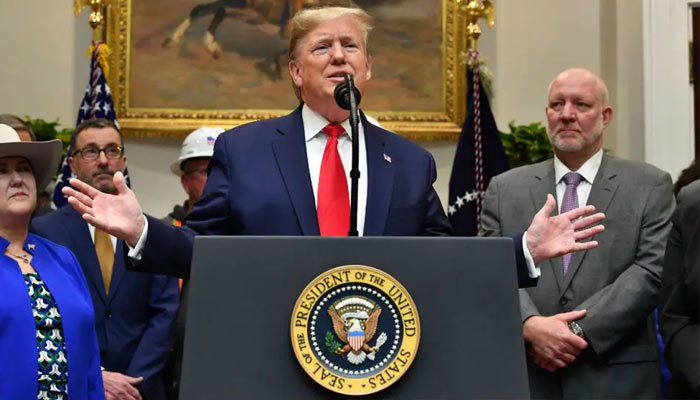
US President Donald Trump is preparing to overturn a foundational climate determination that has underpinned federal emissions regulations for more than a decade, marking a sweeping shift in US environmental policy.
The move targets the 2009 “endangerment finding,” issued during the administration of Barack Obama, which concluded that greenhouse gases threaten public health and welfare by contributing to climate change. That determination has served as the legal basis for a broad range of federal rules limiting emissions from vehicles, power plants and oil and gas operations.
White House officials have framed the rollback as a major deregulatory action. Trump is expected to announce the decision alongside Environmental Protection Agency Administrator Lee Zeldin.
Rooted in Supreme Court precedent
The endangerment finding stemmed from the 2007 Supreme Court ruling in Massachusetts v. EPA. In that case, the court held that greenhouse gases qualify as pollutants under the Clean Air Act and directed the Environmental Protection Agency to assess whether they endanger public health.
Although initially focused on vehicle emissions, the finding became the cornerstone for subsequent climate regulations. Revoking it would automatically dismantle federal greenhouse gas standards for automobiles and could place additional climate rules — including limits on carbon dioxide from power plants and methane from oil and gas facilities — at risk.
Administration’s argument
In draft materials, the administration argues that greenhouse gases differ from conventional air pollutants because their effects are global and long-term rather than localized. It contends that regulating US emissions alone cannot meaningfully resolve a worldwide issue.
The proposal also questions aspects of the scientific consensus on human-driven climate change, citing a Department of Energy report prepared by a working group that included climate policy skeptics. That report faced criticism from researchers, who said it contained methodological flaws and misrepresented existing studies. Following legal challenges from environmental groups, the panel was later disbanded.
Economic debate and looming legal fight
The administration says rescinding the endangerment finding would generate more than $1 trillion in regulatory savings and help lower the cost of new vehicles. However, detailed calculations supporting that figure have not been publicly released.
Environmental advocates argue that such estimates overlook the economic benefits of reduced pollution, including health improvements, fuel savings and avoided climate-related damages. They also warn that weakening emissions standards could hinder US automakers as global markets increasingly shift toward electric vehicles.
Legal experts expect immediate court challenges once the repeal is finalized, setting up another high-profile dispute over the federal government’s authority to regulate greenhouse gases under the Clean Air Act.
Comments are closed.