
US Raises Concerns at UN on ICJ Climate Judgment Backed by Vanuatu

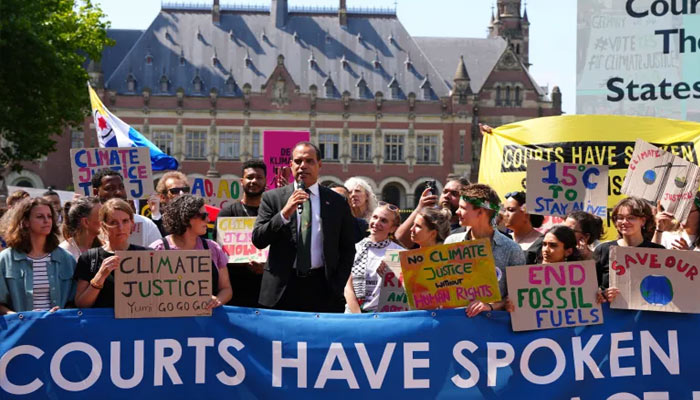
A US State Department cable, first reported by Al Jazeera and the Associated Press, instructs American diplomats to lobby host governments against backing the Pacific nation’s proposal.
The cable says Washington “strongly objects” to the resolution and urges Vanuatu to withdraw it, arguing that the ICJ’s advisory opinion could be used to advance what it calls misguided claims of international legal liability over climate change.
Last year, the ICJ delivered its most expansive advisory opinion to date after reviewing extensive written submissions and hearing weeks of oral arguments. The court concluded that states have legal obligations under international law to address climate change and protect vulnerable populations from its impacts. The case reached The Hague after Vanuatu secured the support of 132 countries in the UN General Assembly to formally request the opinion.
The United States contends that the proposed UN resolution relies on “speculative climate models” and could expose countries to compensation claims or expanded legal responsibilities. The diplomatic push aligns with President Donald Trump’s broader rollback of multilateral climate engagement during his second term.
Under Trump, Washington has withdrawn from key international climate frameworks, including the UN Framework Convention on Climate Change, and has opposed emissions-related measures adopted at the International Maritime Organization.
Climate advocates and human rights groups, however, say the ICJ opinion provides long-sought legal clarity. Louis Charbonneau of Human Rights Watch has called on governments to support Vanuatu’s initiative, arguing that states must uphold their human rights obligations by strengthening climate action.
Vanuatu’s UN Ambassador Odo Tevi has said the resolution is intended to translate the court’s findings into stronger multilateral cooperation. A coalition of climate-vulnerable countries — including Barbados, Kenya, the Marshall Islands and the Philippines — has endorsed the draft, reflecting growing concern among small island and developing states facing intensifying storms, sea-level rise and other climate-related threats.
With a UN vote anticipated in the coming weeks, the standoff underscores deepening divisions over how far international law should shape global climate accountability.
Comments are closed.