
Pregnant During a Solar Eclipse? What Doctors Say vs Traditional Beliefs

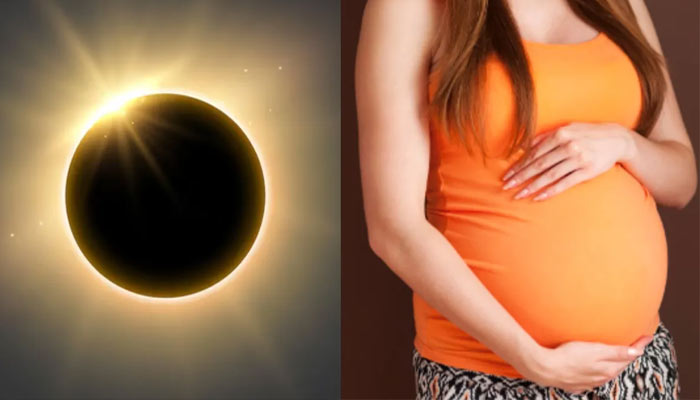
Solar Eclipse & Pregnancy: Science Debunks Myths Around Expecting Mothers
Whenever a solar eclipse nears, households—especially those with a pregnant woman—often shift into precaution mode. Curtains are drawn, elders advise staying indoors, and a list of restrictions quickly follows: avoid stepping outside, don’t eat, don’t use sharp objects, and definitely don’t look at the sky.
For generations, eclipses have been surrounded by warnings about potential harm to unborn babies. But what does modern science actually say? And why do these traditions still feel so powerful?
Let’s look at both sides with clarity and respect.
What Is a Solar Eclipse?
A Solar Eclipse occurs when the Moon passes between the Earth and the Sun, temporarily blocking sunlight either partially or completely. It is a predictable astronomical alignment studied extensively by scientists.
From a medical standpoint, the only proven health risk linked to an eclipse is eye damage from looking directly at the Sun without certified protection. This risk applies to everyone, regardless of age, gender, or pregnancy status.
There is no radiation burst, toxic energy, or invisible force released during an eclipse that can affect pregnancy.
Common Beliefs Around Pregnancy and Eclipses
In India and several other cultures, eclipses have long been viewed with caution. Some widely shared beliefs include:
- Pregnant women should stay indoors.
- Eating or drinking during the eclipse is discouraged.
- Using knives, scissors, or needles is considered risky.
- Sleeping during the eclipse is avoided.
- Viewing the eclipse may cause birth defects.
- Exposure could lead to miscarriage or complications.
Historically, eclipses were mysterious events. Before astronomy explained them, they were often interpreted as bad omens. Over time, these fears became embedded in cultural practices—especially concerning pregnancy, which has always been treated with heightened care.
What Science Actually Says
1. No Direct Biological Impact
Medical research has found no scientific evidence linking solar eclipses to miscarriage, fetal deformities, premature birth, or developmental issues.
The fetus is protected within the uterus, shielded from external environmental changes. An eclipse does not alter gravitational forces or emit harmful radiation capable of affecting pregnancy.
2. Eye Safety Is Universal
The only real risk during a solar eclipse is retinal damage from staring at the Sun without certified eclipse glasses. This risk applies equally to everyone—not specifically to pregnant women.
3. Food Safety Remains Normal
Food does not become contaminated or toxic during an eclipse. Digestion and metabolism function as usual. There is no scientific basis for avoiding meals.
4. Stress Can Have an Impact—But Not the Eclipse
Interestingly, anxiety and emotional stress can affect overall well-being during pregnancy. If cultural pressure or fear causes distress, that stress response may lead to discomfort.
However, the trigger is psychological—not astronomical.
Why Do These Beliefs Continue?
Traditions often originate from caution during uncertain times. In earlier centuries, without scientific explanations, unusual sky events were feared. To protect pregnant women—already considered vulnerable—communities created strict rules.
Even today, these customs carry emotional weight because they are tied to family care, generational wisdom, and cultural identity.
Should Pregnant Women Be Worried?
From a scientific and medical perspective: No.
A solar eclipse is a natural celestial event, not a health threat. It does not affect fetal growth, pregnancy outcomes, or childbirth.
If an expecting mother feels more comfortable following family traditions for peace of mind, that choice is personal. But medically speaking, there is no evidence-based reason for alarm.
Comments are closed.