
Gastroenterologist Flags Fibre Deficit: 70% of Indians Fall Short of Daily Needs, Here’s the Ideal Intake

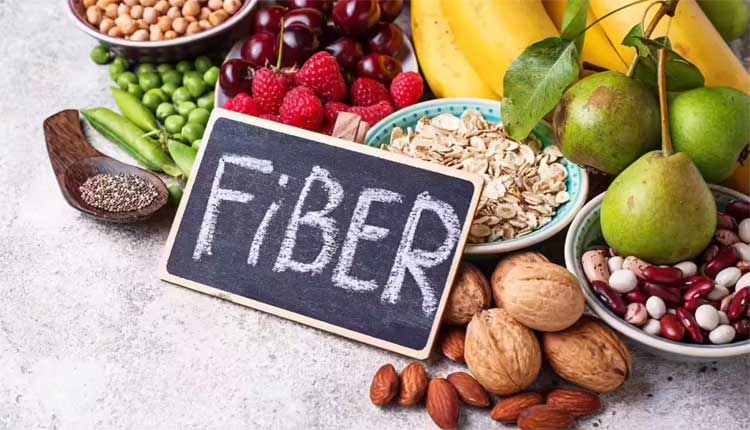
Fibre may not grab attention when planning meals, but it remains one of the most critical components of a healthy diet. With modern eating habits increasingly centred on refined carbohydrates and processed foods, many people fail to consume the fibre their bodies require.
Dr Shubham Vatsya, senior consultant in gastroenterology and hepatology at Fortis Hospital Vasant Kunj, recently highlighted the issue, noting that a significant majority of Indians do not meet their daily fibre needs. In a February 23 social media post, he explained the health implications of this dietary gap and outlined recommended intake levels.
India’s fibre intake challenge
According to Dr Vatsya, nearly 70 per cent of Indians consume less fibre than required, a pattern linked to rising digestive and metabolic concerns. Insufficient fibre intake is commonly associated with problems such as constipation, bloating, fatty liver disease, and diabetes.
He emphasised that fibre plays multiple essential roles in the body. Soluble fibre helps regulate blood sugar and cholesterol levels, while insoluble fibre supports bowel movements and gut motility. Together, these fibres nourish beneficial gut bacteria, enabling the production of short-chain fatty acids that are vital for colon health.
For most adults, Dr Vatsya recommends a daily intake of 25 to 30 grams of fibre, ideally sourced from vegetables, fruits, and whole grains rather than supplements.
Understanding the two types of fibre
Dr Vatsya explained that dietary fibre falls into two main categories:
1. Soluble fibre
Common sources include apples, oats, beans, whole moong (sabut moong), and flaxseeds. This type of fibre absorbs water and forms a gel-like substance in the digestive tract, which can help lower cholesterol and reduce blood sugar spikes.
2. Insoluble fibre
Found largely in vegetables and whole grains such as bajra, jowar, cabbage, and carrots, insoluble fibre aids digestion by promoting smoother movement of waste through the intestines.
He further noted that fibre supports gut microbiota, which produce short-chain fatty acids like butyrate — compounds known to nourish colon cells and contribute to long-term intestinal health.
The takeaway, he stressed, is straightforward: meeting daily fibre requirements through natural food sources can significantly improve digestive function and overall metabolic well-being.
Comments are closed.