
Energy Alert: India Mulls Export Limits, Higher Russian Oil Imports, LPG Rationing

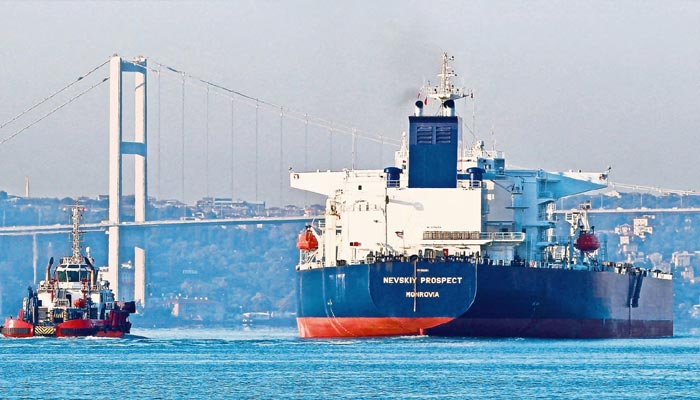
India is drawing up an emergency energy blueprint as tensions in West Asia threaten to disrupt traffic through the Strait of Hormuz — a key artery for global oil and gas shipments.
According to people familiar with the matter cited by The Economic Times, policymakers are evaluating a mix of export controls, higher Russian crude purchases and possible LPG demand curbs to shield domestic supplies if the situation drags on.
Senior officials and industry executives are assessing both supply and demand levers amid sharp volatility in global energy markets.
Markets On Edge
Oil and gas prices reacted swiftly to the geopolitical flare-up. Brent crude surged toward the $80-a-barrel mark, while European natural gas prices posted steep gains following reported attacks on major energy facilities in Saudi Arabia and Qatar. Tanker movement through the Strait of Hormuz has thinned, amplifying concerns over supply continuity.
For India — which relies heavily on energy imports — any sustained disruption along this route poses immediate risks.
Fuel Export Restrictions Possible
One option under active discussion is restricting exports of petrol and diesel to prioritise domestic demand in case of prolonged shortages. India currently ships out nearly a third of its petrol production, about a quarter of its diesel and a substantial portion of aviation turbine fuel (ATF). Refiners may also reprocess or divert ATF supplies if necessary to balance domestic needs.
Union Petroleum Minister Hardeep Singh Puri said the government is closely monitoring developments and stands ready to take “all necessary steps” to ensure fuel availability and affordability.
LPG Emerges As Weakest Link
Liquefied petroleum gas (LPG) is viewed as the most vulnerable fuel segment. India imports roughly two-thirds of its LPG consumption, with the bulk sourced from Gulf producers. Existing stockpiles — including shipments already en route — are estimated to provide less than two weeks of coverage if fresh supplies are delayed.
To strengthen buffers, state-run refiners such as Indian Oil Corporation, Hindustan Petroleum Corporation Limited and Bharat Petroleum Corporation Limited are increasing LPG output at select refineries. Targeted rationing for households with alternative fuel access is also being considered if shortages intensify.
How Long Can Stocks Last?
India’s crude reserves can cover roughly 17–18 days of consumption, while petrol and diesel inventories provide around three weeks of cushion. LNG supplies are estimated to last 10–12 days without fresh arrivals. In recent months, nearly half of India’s crude and LNG imports have originated from the Gulf region, underlining the strategic importance of Hormuz.
Turning To Russian Oil
Boosting purchases of Russian crude is another contingency measure under discussion. With substantial Russian cargoes already at sea, rerouting shipments to Indian refiners could offer quicker relief compared to sourcing alternative suppliers.
Officials believe that if global supply tightens sharply and prices climb further, geopolitical dynamics may shift, potentially allowing expanded access to discounted Russian barrels.
For now, the government’s approach appears focused on preparedness — building buffers, diversifying supply and conserving domestic fuel — while hoping the disruption in Hormuz proves temporary rather than prolonged.
Comments are closed.