
Natural vs Chemical Holi Colours: Is Herbal Gulaal Truly Safe for Your Eyes?

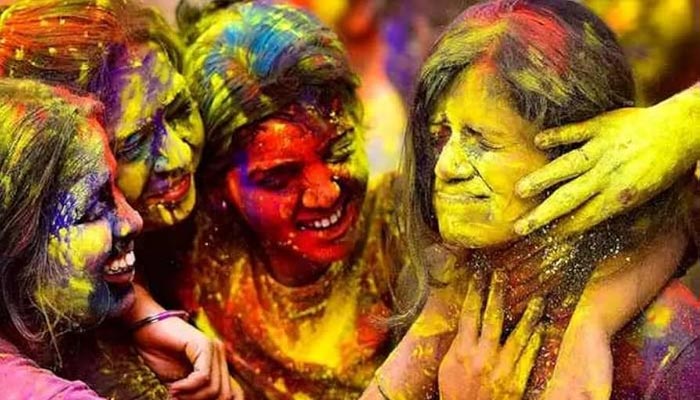
Holi is synonymous with vibrant colours, laughter and carefree celebration — but your eyes may not be as enthusiastic about the festivities.
Amid flying gulaal, water balloons and colour-smeared hands, the eyes are particularly vulnerable. Every year, ophthalmologists report a spike in cases of redness, itching, excessive tearing and temporary blurred vision following Holi celebrations.
To reduce these risks, many people now opt for “herbal” or “natural” colours, believing they are completely safe. But does natural automatically mean harmless?
Are Herbal Colours Really Safer?
According to Dr Hardik Parikh, ophthalmologist at Global Eye Clinic in Mumbai, plant-based colours are generally gentler — but not entirely risk-free.
“Natural Holi colours are less toxic compared to chemical-based ones, so the risk of severe eye damage is lower. However, they can still cause irritation, allergies or minor injuries if they enter the eyes,” he explains.
Jeevan Kasra, Chairman at Steris Healthcare, adds that herbal colours are typically made from plant-derived ingredients and avoid industrial dyes, heavy metals and harsh chemicals. “Because they don’t contain strong chemical substances, the chances of severe skin or eye reactions are reduced,” he says.
Why Chemical Colours Pose Greater Risk
Traditionally, Holi colours were derived from flowers, turmeric and other natural extracts. However, many commercially available powders today may contain synthetic dyes, alkaline agents and heavy metals.
Dr Parikh warns that such substances can be harsh on the eye’s delicate surface. “Chemical colours can lead to redness, watering, itching and even corneal abrasions. In some cases, these injuries may progress to infections or chemical burns that require medical treatment,” he says.
Scratches on the cornea or prolonged inflammation can sometimes worsen if not treated promptly.
The Catch With ‘Natural’ Labels
While herbal colours reduce chemical toxicity, experts caution against assuming they are completely safe.
“The term ‘natural’ does not automatically guarantee safety,” says Dr Parikh. Even plant-based powders can cause allergic reactions or mechanical irritation due to fine particles.
Kasra agrees. “Product safety depends heavily on manufacturing quality, storage conditions and regulatory standards. Poorly produced or loosely regulated products — even if labelled herbal — can still pose risks.”
How To Protect Your Eyes This Holi
Experts emphasise that prevention is far easier than treatment.
Dr Parikh recommends wearing protective eyewear while playing. “Avoid rubbing your eyes if colour enters them. Immediately rinse with clean, running water,” he advises.
Kasra suggests purchasing colours only from reputable brands that follow safety standards and removing colour gently soon after playing.
Most importantly, do not ignore persistent symptoms. “If you experience ongoing pain, excessive watering, blurred vision or redness, consult an eye specialist without delay,” says Dr Parikh.
The Bottom Line
Herbal colours may be safer than chemical alternatives, but they are not entirely risk-free. Choosing trusted products, wearing protective glasses and washing off colours promptly can significantly reduce the chances of eye injury.
A mindful celebration ensures that the festival remains bright and joyful — without leaving your eyes paying the price.
Comments are closed.