

Deserts are usually imagined as vast stretches of sand, scorching heat and almost no plant life. However, some desert regions around the world tell a very different story.
Despite receiving extremely low rainfall, they can appear surprisingly green due to unique natural conditions or human innovation. In many cases, seasonal rains, coastal fog, hardy vegetation or advanced irrigation systems allow plants to survive in these harsh environments. Even though these landscapes may look lush at first glance, they still meet the scientific definition of a desert because of their limited precipitation.
These places highlight how adaptable nature can be and show that deserts are far more diverse than the common image of endless dunes.
Desert Regions That Look Green Despite Being Arid
1. Thar Desert, India
The Thar Desert has experienced a noticeable increase in vegetation in recent years. Research indicates that green cover in the region has grown significantly, largely due to improved monsoon rainfall and expanding agricultural activity. As one of the most densely populated deserts in the world, the Thar now features patches of farmland, vegetation and growing settlements. Despite this visible greening, the region still faces water scarcity and remains a dry desert ecosystem.
2. Sahel, Africa
The Sahel stretches across Africa just south of the Sahara Desert and is classified as a semi-arid region. In recent decades, satellite observations have shown an increase in vegetation in parts of the Sahel. Scientists suggest that rising carbon dioxide levels and conservation efforts may be helping plant life grow more easily in dry conditions. Countries like Chad and Niger have witnessed seasonal greening, although the region still struggles with drought and fragile soils.
3. Negev Desert, Israel
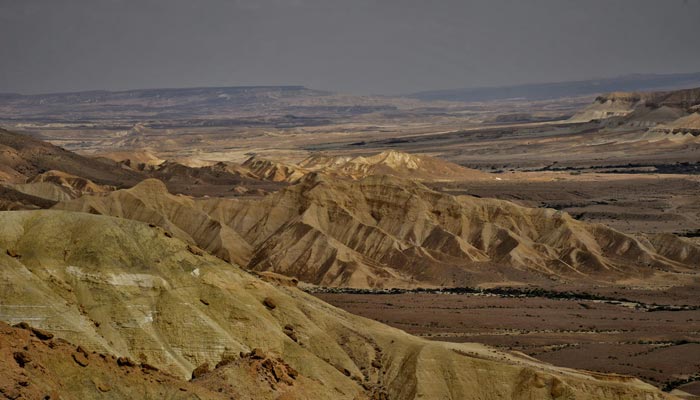
Although the Negev Desert receives very little rainfall, parts of it now appear green because of advanced agricultural techniques. Israel has developed highly efficient irrigation systems, including drip irrigation, which allow crops, orchards and vineyards to grow in arid conditions. These innovations have transformed sections of the desert into productive farmland while the overall climate remains extremely dry.
4. Oregon High Desert, United States
Located in the northwestern United States, Oregon’s High Desert receives less than 10 inches of rainfall annually, qualifying it as a desert. Yet the region is covered with hardy vegetation such as sagebrush and juniper trees. Seasonal snowfall and resilient plant species give the landscape a greener and more rugged look than what people usually expect from deserts.
5. Atacama Desert Fog Oases, Chile and Peru
The Atacama Desert is considered one of the driest places on Earth. However, along its coastal hills, patches of vegetation appear in areas known as fog oases or lomas. These ecosystems survive because thick Pacific fog moves inland and condenses on plants, providing moisture even without rainfall. These green pockets act like small islands of life within an otherwise barren desert landscape.
Although deserts are commonly associated with sand and dryness, these examples show that some can appear unexpectedly green. They remind us that even the harshest environments can support life in surprising ways.
Comments are closed.