
Middle East Tensions Mount: Kuwait To Reduce Oil Production—Impact On Petrol, Diesel Prices?

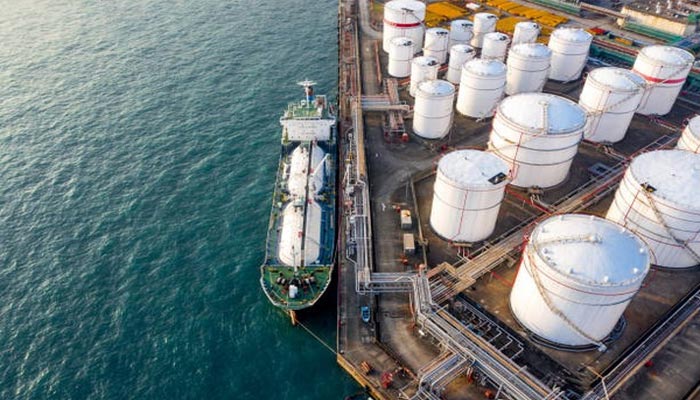
Amid rising tensions in the Gulf region, Kuwait has decided to cut crude oil production as a precautionary measure. The country’s state-owned energy firm, Kuwait Petroleum Corporation (KPC), said the step was taken considering the current security situation and potential risks in the region.
The move comes after warnings from Iran about the safety of shipping routes through the Strait of Hormuz, a crucial maritime corridor for global oil trade. A significant share of crude oil exported from Gulf countries passes through this narrow waterway, making any disruption a major concern for global energy markets.
Kuwait is among the leading producers in the Organization of the Petroleum Exporting Countries (OPEC). Because of its important role in global oil supply, a reduction in production could tighten the market and raise concerns about crude availability for importing nations.
Global crude prices have already shown volatility amid the ongoing tensions in West Asia. Benchmark Brent Crude recently crossed $92 per barrel, reflecting a sharp increase since the conflict escalated. Analysts warn that continued instability in the region could keep oil prices elevated.
Cut Part of Risk Management Strategy
KPC said the reduction in crude production and refining is purely precautionary and part of its broader risk management strategy. The company noted that the decision is aimed at ensuring operational safety and maintaining business continuity during the uncertain geopolitical situation. It also said production can be quickly restored once conditions stabilise.
India’s Fuel Supply Situation
Meanwhile, the government of India has assured that petrol and diesel supplies remain stable and that current fuel stocks are sufficient to meet domestic demand. Officials have stated that India has about eight weeks of crude oil and petroleum product reserves, including strategic stockpiles maintained to handle supply disruptions.
However, experts say that if tensions in West Asia continue for a prolonged period, global crude prices may rise further, which could eventually have an impact on petrol and diesel prices in India.
Comments are closed.