
Menstrual Pain Relief: Solutions That Go Beyond Hot Water Bags

Beyond the Hot Water Bag: Rethinking How We Manage Menstrual Pain
For many women, the conversation begins the same way: “It’s my period pain again.”
They say it quietly in clinics, classrooms, and workplaces—sometimes while clutching their abdomen, sometimes after missing an exam or a workday. Yet the sentence often ends with a dismissal: “It’s normal.”
Menstrual pain may be common, but that does not mean it should be ignored or endured in silence. According to Dr. Sharmishtha Mondal, Clinical Scientist and Founder of Be.ing Painfree, understanding what causes period pain is the first step toward managing it better.
What Happens in the Body During Period Pain
Menstrual cramps, medically known as primary dysmenorrhea, occur because of natural biological processes during menstruation.
When the menstrual cycle begins, the body releases hormone-like chemicals called prostaglandins. These compounds trigger the uterus to contract so it can shed its lining. When prostaglandin levels are high, these contractions become stronger and more frequent, reducing blood flow to the uterine muscles for short periods.
This reduced circulation and intense muscle activity create the cramping sensation many women experience.
The pain can feel sharp, heavy, or throbbing and may radiate to the lower back or thighs. It is also common for cramps to be accompanied by other symptoms such as:
-
nausea
-
bloating
-
fatigue
-
headaches
-
digestive discomfort
The uterus and digestive system share nerve pathways, which explains why some women feel stomach upset or bowel changes during menstruation.
In other words, period pain is not simply “discomfort.” It is the result of inflammation, muscle contractions, and complex nerve signalling in the body.
Why Heat Is the First Solution
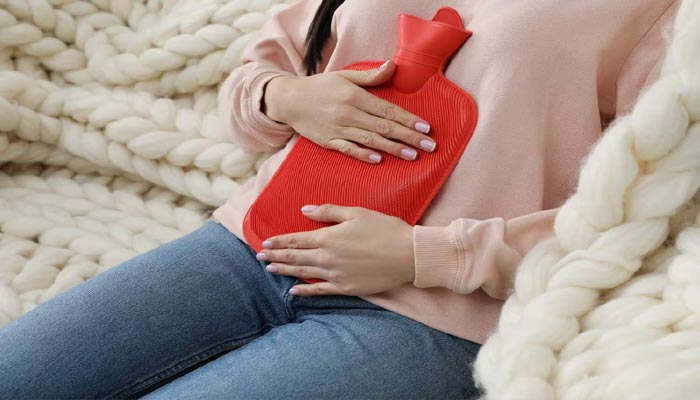
For generations, the hot water bag has been the most familiar remedy for menstrual cramps. Heat helps relax muscles and improve blood circulation, which can temporarily ease the intensity of cramps.
Beyond its physical effects, it also carries emotional comfort. Many women remember being handed a warm water bag by a parent or caregiver during their first painful periods. The warmth feels soothing and reassuring.
However, while heat may help manage symptoms, it does not address the underlying causes of menstrual pain. It does not reduce prostaglandin production or control inflammation. As a result, the relief is often temporary.
When the pain returns, many women turn to pain-relieving medications, particularly non-steroidal anti-inflammatory drugs (NSAIDs). These medicines can reduce inflammation and block prostaglandin production, making them effective during severe cramps.
But relying on medication every month can raise concerns for some individuals, especially if it leads to acidity, bloating, or digestive discomfort.
This often leaves women feeling stuck between two options—temporary relief from heat or recurring medication—without much discussion about broader approaches to menstrual health.
Comments are closed.