

Global oil markets remained tense as Brent Crude prices hovered close to $100 per barrel, with no signs of easing in the conflict between Iran and the United States.
Prices surged past the $100 mark for the second time since hostilities intensified following the killing of Iran’s Supreme Leader Ali Khamenei in the joint US-Israeli military operation known as ‘Epic Fury’. The escalating confrontation has pushed large parts of the Middle East into instability. Missile and drone strikes have damaged infrastructure and disrupted civilian life, while several countries have reported flight cancellations and the evacuation of foreign workers amid growing security concerns.
Strategic Oil Release Fails to Calm Markets
Despite attempts to stabilise supply, crude prices continued to remain elevated. The International Energy Agency (IEA) has proposed releasing around 400 million barrels from strategic petroleum reserves to ease market pressure. The scale of this proposal would be nearly double the emergency reserves released during the Russia-Ukraine War in 2022.
However, traders remain cautious as the ongoing conflict threatens key global energy supply routes.
Iran’s New Leader Warns on Hormuz
In his first statement since assuming power, Iran’s Supreme Leader Mojtaba Khamenei issued a strong warning to Washington, calling for the closure of the strategic Strait of Hormuz and urging Gulf nations to shut down all US military bases in the region.
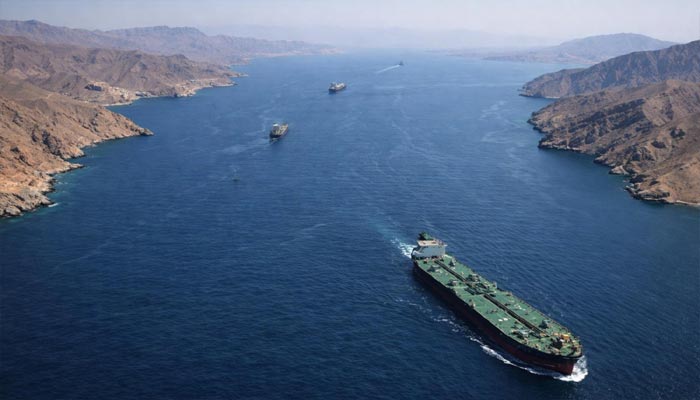
Any disruption in this narrow waterway could have major global consequences. The Strait of Hormuz is one of the world’s most critical energy chokepoints, handling around 20–30% of global oil and natural gas shipments.
Reports have also suggested that Iran has intensified attempts to target oil tankers navigating the route, further raising fears of supply disruptions.
Inflation and Growth Risks
Economists warn that persistently high oil prices could have far-reaching economic consequences. Analysts at Capital Economics told CNN that crude prices sustained in the $90–$100 per barrel range could begin to drive up inflation and slow economic growth across major economies.
If tensions continue and the Strait of Hormuz faces prolonged disruption, global energy markets may see even sharper price volatility in the weeks ahead.
Comments are closed.