
Race against time: Diplomats scramble as US–Iran truce edges toward expiry

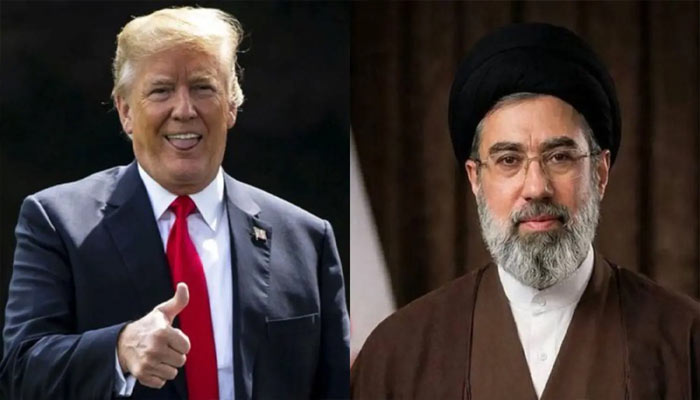
With just days left before the ceasefire between the United States and Iran expires on April 22, diplomacy has entered a frantic phase.
While uncertainty lingers over shipping through the Strait of Hormuz, negotiators are moving across capitals in a last-ditch effort to prevent the conflict from reigniting. The two-week truce, already under strain, follows the collapse of initial talks in Islamabad. Since then, backchannel efforts have intensified to organise a second round of negotiations. Tensions have simultaneously escalated, with Washington imposing a blockade on Iranian ports and Tehran warning of retaliatory strikes across the region.
Deadlock in talks, but push for round two
Now in its seventh week, the conflict has disrupted global trade and energy supply chains. The ceasefire briefly raised hopes of a diplomatic breakthrough, particularly after direct US-Iran engagement in Islamabad.
But after 21 hours of negotiations, talks ended without a deal. US Vice President JD Vance said Tehran rejected Washington’s “final and best offer,” while the White House maintained that Iran’s nuclear programme remains the core obstacle.
Iranian Parliament Speaker Mohammad-Baqer Qalibaf countered that the US failed to build trust during the negotiations. Despite the impasse, momentum for renewed dialogue remains. US President Donald Trump has suggested another round of talks could take place within days, potentially again in Islamabad.
UN Secretary-General António Guterres also expressed cautious optimism, indicating that discussions are likely to resume soon. Diplomatic sources suggest the coming weekend is being eyed for a possible meeting.
Israel-Lebanon tensions complicate picture
Parallel to US-Iran diplomacy, a separate but related effort is unfolding. Israel and Lebanon have opened direct talks in Washington — their first in over 30 years.
The talks come even as hostilities continue along the border. The conflict escalated after Hezbollah attacks in early March, drawing sustained Israeli military action and raising questions over whether the broader ceasefire applies to Lebanon.
US Secretary of State Marco Rubio, who hosted the meeting, cautioned against expecting quick results, noting the complexity of the issues involved.
Lebanon has called for a ceasefire before negotiations progress, while Israel insists that Hezbollah must disarm — positions that remain far apart. Hezbollah leader Naim Qassem has dismissed the talks, calling them ineffective without internal consensus.
Europe eyes Hormuz security framework
Amid fears of wider disruption, France and the United Kingdom are preparing to host a summit of over 40 countries focused on securing the Strait of Hormuz. French President Emmanuel Macron and British Prime Minister Keir Starmer are expected to lead the talks, aimed at creating a multilateral, defensive initiative to ensure safe navigation once conditions stabilise.
The move follows Washington’s blockade of the strait — a step intended to pressure Iran but criticised by European allies, who are pushing for coordinated international efforts instead.
Comments are closed.