
West Bengal Election 2026 : Amit Shah promises ‘Bengal-born CM’, says Bharatiya Janata Party set to win 110 of 152 phase 1 seats

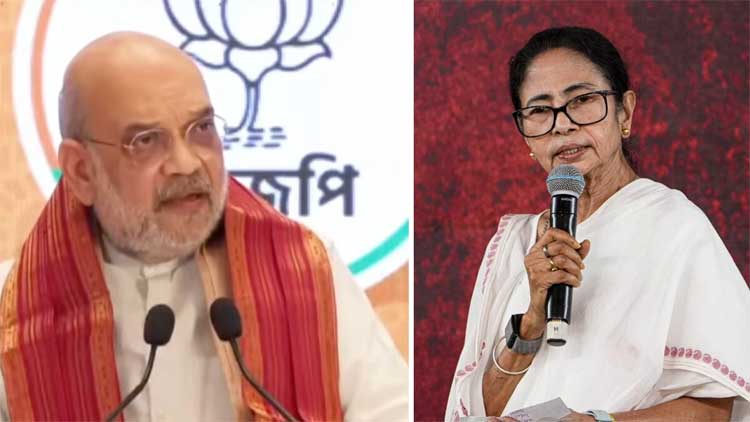
The ongoing assembly elections in West Bengal are shaping up to be among the most fiercely contested in the country, with the Bharatiya Janata Party (BJP) making a determined bid to unseat the Trinamool Congress (TMC) after 15 years in power.
Addressing a rally in Kolkata on Thursday, Union home minister Amit Shah said the state would have a “Bengal-born, Bengali-speaking” chief minister if the BJP comes to power.
The first phase of polling concluded with record-breaking voter participation. Despite a major revision of electoral rolls that led to the deletion of lakhs of names, voters turned out in historic numbers, underscoring the high stakes of the contest.
Chief election commissioner Gyanesh Kumar said the turnout marked the highest polling percentages recorded in both West Bengal and Tamil Nadu since Independence.
In West Bengal, the 152 constituencies that voted in this phase recorded a turnout of 92.35% by late evening — the highest level of participation in these areas since at least 2011.
Deleted names fail to deter voters
Even with nearly 10% of names removed from voter lists in these constituencies, the absolute number of voters — around 33.2 million — exceeded turnout figures from the 2024 Lok Sabha elections. Murarai registered the highest turnout at 96.95%, while Mekhliganj recorded the lowest at 82.12%.
The surge in voter participation has prompted both the ruling TMC and the opposition BJP to claim momentum in the race. For chief minister Mamata Banerjee and her party, as well as the BJP, the election has become a high-stakes battle amid a political storm triggered by the voter list revisions.
Limited relief for excluded voters
Despite the strong turnout, concerns persist over disenfranchisement. A significant number of people were unable to cast their votes due to a controversial “logical discrepancy” category used during the electoral roll revision. While around 1.4 million people sought to have their names restored ahead of the first phase, judicial tribunals cleared only 139 cases, offering little relief to those excluded.
Comments are closed.