
Vaccine alliance funding cuts by US could endanger children’s lives, warns CEO

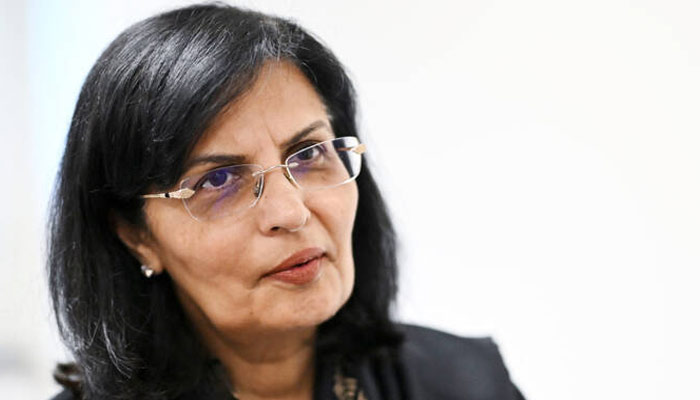
Funding cuts by the United States and other donors have forced Gavi, the Vaccine Alliance to scale back its malaria programme in Africa, raising fears that tens of thousands of children’s lives could be at risk, CEO Sania Nishtar said.
Gavi, which helps low-income countries access life-saving vaccines at affordable prices, has been supporting the rollout of the malaria vaccine in 25 African nations. The disease kills about 600,000 people each year, the majority of them children.
The setback comes after the United States withdrew $1.58 billion in funding last year. The decision was backed by US health secretary Robert F. Kennedy Jr., who cited safety concerns about vaccines without presenting evidence.
Due to the funding shortfall, Gavi has lowered its target for malaria vaccine coverage from 85 percent to 70 percent by 2030. Earlier projections estimated the programme could prevent around 180,000 deaths, but Nishtar warned the cuts could now result in “tens of thousands of children’s lives” being lost.
Describing the situation as deeply concerning, she underscored the severe impact of malaria on children, particularly in critical cases.
Gavi is also facing challenges in boosting vaccine manufacturing within Africa—an issue exposed during the COVID-19 pandemic when wealthier nations secured most vaccine supplies.
In 2024, the alliance launched a $1 billion subsidy programme to support African vaccine production. However, 18 months later, no manufacturer has been able to access the funds, with companies in countries such as South Africa, Senegal, Morocco, and Ghana struggling with financing and infrastructure barriers.
Nishtar said additional upfront investment and policy support, including tax incentives, are needed and that she would raise these concerns with Gavi’s board.
While acknowledging the funding challenges, she expressed hope that the United States could resume its partnership with Gavi. She also noted a “silver lining,” as African governments are increasingly investing in healthcare through measures such as earmarked taxes and special levies.
African countries contributed $300 million in co-financing to Gavi last year, reflecting a growing commitment to strengthening their own health systems.
Comments are closed.